Australia Conducts First Test of Nationwide AusAlert Emergency Warning System Today
July 26, 2026


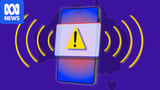
The test will trigger loud sirens on mobile devices across the country and include vibrations, with a clear on-screen message stating it is a test and that no action is required.
AusAlert will supplement radio, apps, and official websites to speed and reliability in imminent-danger warnings.
The update is dated July 27, 2026, following an initial publish around early morning local time.
The core news is the AusAlert test itself, presented within the usual newspaper page context.
Australia tests its new nationwide AusAlert emergency warning system for the first time, with a 2:00 PM AEST nationwide rollout in most states today, and regional adjustments (1:30 PM ACST for SA and NT, 12:00 PM AWST for WA).
The test notification includes a clear heading and message, indicates no action is required, and that older devices may display different headings; turning the device off or enabling airplane mode will disable the alert.
A safety note warns that concealed devices may inadvertently reveal themselves due to the loud alert; users may need to power off or place devices in airplane mode for about an hour, possibly up to 24 hours.
Official information and guidance are available at ausalert.gov.au.
AusAlert uses cell-broadcast technology to deliver alerts near-simultaneously to millions of devices, functioning even when networks are busy or down and not relying on SMS.
The on-screen notice reiterates that in a real emergency follow official instructions, with the siren and vibration lasting about 10 seconds.
This rollout aligns with a global trend of national alert systems in countries like the United States, Japan, the UK, France, Canada, and New Zealand, emphasizing trust and avoiding alert fatigue.
The test is part of a broader national alert-system rollout intended to cover natural disasters, biothreats, health emergencies, and other public safety threats, though issues such as language, device compatibility, and landline reach remain considerations.
Summary based on 3 sources
Get a daily email with more World News stories
Sources
ABC News • Jul 26, 2026
Get ready for the AusAlert emergency warning test
The Sydney Morning Herald • Jul 26, 2026
AusAlert test coming today