ICE Enforcement Criticized: Random Stops, Bias, and Digital Surveillance Spark Lawsuit
July 29, 2026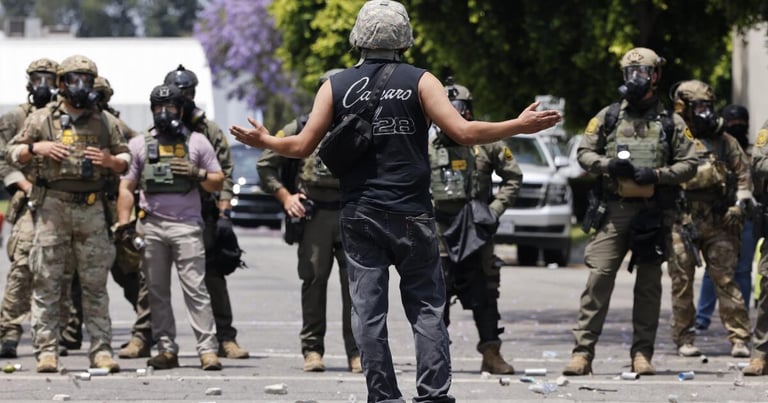

Testimony from a Border Patrol agent describes choosing raid sites by searching for nearby car washes, suggesting practices driven by convenience rather than targeted enforcement.
Cultural and behavioral indicators—eye contact, nervousness, and language use—were cited as signals a person might be in the country illegally, indicating potential biases in warrants or stops.
There is evidence of a political dimension to some operations, including an event near a Newsom press conference perceived as a stunt possibly driven by political goals rather than enforcement needs.
Although a federal temporary restraining order blocked racial profiling and indiscriminate arrests in Southern California, agents reportedly believed enforcement tactics continued to violate or evade such orders.
Exhibits indicate some enforcement stops appeared random or indiscriminate rather than targeted, raising concerns about constitutional and civil rights implications.
A July 2025 text thread shows agents discussing facial recognition tools to identify TikTok users who admitted illegal status, highlighting how digital and social media influence enforcement decisions.
Agents expressed frustration about being tasked with operations they felt violated court orders, with a perception that leadership relies on a single approach and emphasizes chasing bodies.
Deposition and testimony reveal a shift in ICE from targeted enforcement to broader arrests, including the use of one-page 'baseball cards' in place of detailed dossiers to identify targets.
The Ontario shooting case involving Carlos Jimenez is cited to illustrate officers’ risk assessments and calls for discipline and training review after the incident.
A federal lawsuit in the Central District of California has unveiled hundreds of court exhibits through discovery, shedding light on how immigration enforcement operations were coordinated in Los Angeles last year.
Texts and body camera footage show casual use of demeaning language toward immigrants, including slurs and coded terms like 'wet' and 'tonk' used to refer to targets.
Summary based on 1 source
Get a daily email with more US News stories
Source
Los Angeles Times • Jul 29, 2026
'See bodies, chase bodies.' What immigration agents' body cameras, texts reveal about L.A. raids - Los Angeles Times