Ancient DNA Reveals Smallpox's Role in Colonization and Indigenous Impact
July 30, 2026

A new study of ancient Chilean mummy DNA provides strong genetic evidence that smallpox was introduced to the Americas through European colonization, with the virus spreading via Indigenous trade networks and long-distance transmission.
Researchers outline multiple possible routes of entry, including several introductions by European settlers and potential involvement of the African slave trade, contributing to a broad geographic spread.
The research suggests the disease unleashed social disruption that helped pave the way for European conquest, spreading widely through Indigenous populations as colonization intensified.
Published in Science, the study argues that biological records from ancient specimens can illuminate historical events and the human costs of disease.
Understanding pathogen evolution, the study notes, can help public health officials plan vaccination strategies and trace disease spread in future outbreaks.
Coauthor remarks stress that the findings show how the biology of the disease is embedded in historical events and population dynamics.
The findings complement historical records and illustrate how pathogen evolution and events like colonization and vaccination shaped smallpox’s trajectory, including eradication after vaccination campaigns.
Genomic data indicate a long pre-16th-century evolution, a pause during major colonization, and a resumption after 1796 with the vaccine era.
Historians and scientists emphasize that epidemics helped shape colonization and Indigenous susceptibility, potentially altering the course of American history.
The research traces how smallpox evolved and spread, including genetic changes that influenced transmissibility and lethality over time.
Genomes from two victims show near-identical viral strains, suggesting infection from the same outbreak and a slowdown in viral evolution during colonial-era epidemics before accelerating again with vaccination.
Ethical sensitivities around disturbing remains and Indigenous communities are acknowledged, with researchers stressing respectful handling of DNA data and living connections to communities.
Summary based on 7 sources
Get a daily email with more Science stories
Sources

AP News • Jul 30, 2026
Ancient mummy DNA connects smallpox to European colonization | AP News
Yahoo News • Jul 30, 2026
Ancient mummy DNA provides scientific evidence that colonization brought smallpox to the Americas
Cyprus Mail • Jul 30, 2026
Smallpox DNA is recovered from Spanish conquest-era Chilean mummies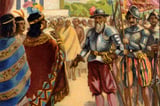
New Scientist • Jul 30, 2026
Smallpox DNA in ancient Inca mummies shows virus came from Europe