EU Narrows Visa Ban to Russian Combatants, Faces Legal Hurdles and Member State Discretion
July 9, 2026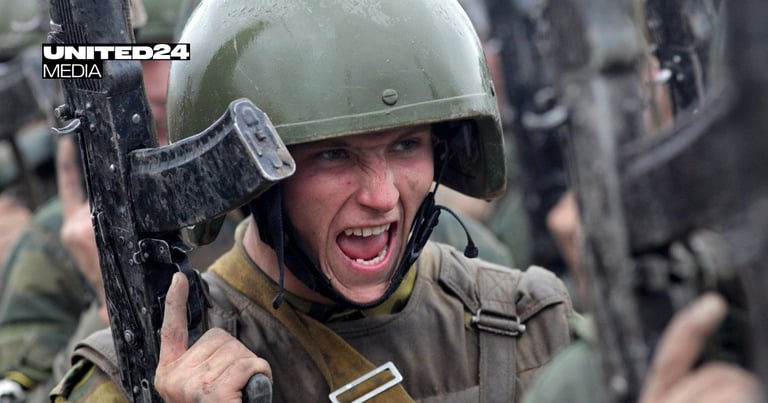

The EU has narrowed its proposed visa ban on Russian military personnel to short-stay visas and requires direct combat participation in Ukraine since February 2022, following objections from France and Italy over scope and legal implications.
The package aims for adoption by mid-July to avoid automatic adjustments to oil price caps under the current sanctions framework.
The visa measure is part of a broader 21st sanctions package targeting Russia’s oil price cap, energy revenues, banks, and crypto operators, including actions against ships tied to Moscow’s Shadow Fleet.
A key practical concern is how to determine who qualifies as a combatant, with member states given discretion to assess eligibility, potentially leading to inconsistencies.
The measure no longer presumes warfare involvement; applicants must show direct combat participation to be eligible.
The revised text still targets those who directly fought in regular Russian forces or Moscow-controlled units but includes exemptions for humanitarian, national interest, or international obligations.
Ireland brokered the compromise, expanding exemptions for humanitarian reasons, national interests, and international obligations; administrative and logistical personnel are excluded from the ban.
Exemptions now allow visas for humanitarian reasons, state interests, or international obligations, with visas valid only in the issuing country unless another member state consents.
Legal questions remain about consular liability for breaches of the travel ban, with the Commission offering revised visa guidance and documentation to ease implementation.
France and Italy flagged practical challenges, including Russia’s conscription and concerns over consular responsibilities, burden of proof, and potential lawsuits.
Ukraine supports the narrower ban as fair and urged EU adoption.
Adoption in mid-July will test the bloc’s ability to sustain sanctions at this level and whether subsequent rounds have driven changes in Russia’s behavior.
Summary based on 8 sources
Get a daily email with more World News stories
Sources
euronews • Jul 8, 2026
EU narrows ban on Russian combatants to appease France and Italy
UNITED24 Media • Jul 9, 2026
EU Softens Proposed Travel Ban on Russian Soldiers After France and Italy Intervene