Rhine Drought Crisis: Logistics Costs Soar as River Traffic Halts, Fuel Prices Spike
August 11, 2026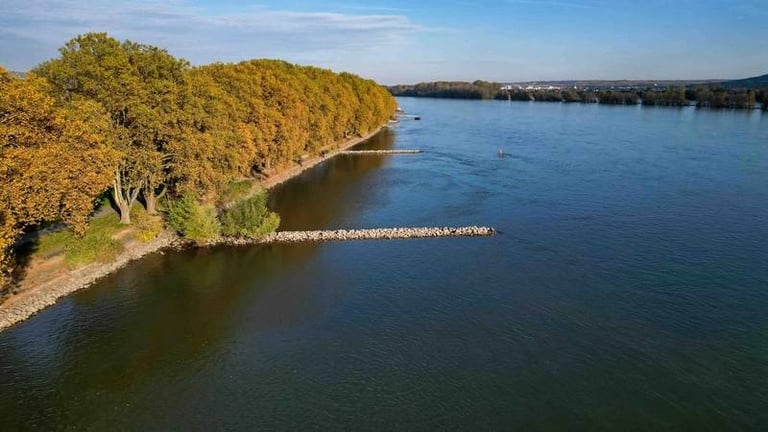

Germany faces historically low water on the Rhine, driving up logistics costs and fuel prices in western regions as river traffic grinds to a halt and bottlenecks loom through August.
The drought has left Elbe, Danube, and Rhine levels dangerously low, straining transport chains and underscoring the impact of climate change on inland shipping.
Officials warn the Rhine could stay at record lows, with continued disruption to freight and potential further bottlenecks as summer progresses.
Critics argue the government talks a lot but fails to prioritise concrete climate protection and adaptation measures.
Exemptions from Sunday/holiday truck bans are planned to last until the end of August, with multiple states announcing or confirming terms, while others decide later in the day.
Greens concede some exemptions to prevent supply disruptions but push for broader climate adaptation and a heat-resistant rail system.
Environment Minister calls for broad measures, including river adjustments or re-meandering, to protect natural riverine landscapes and keep water in the basin.
The situation is evolving, with ongoing updates and readers urged to follow further developments.
Short-term steps include easing LKW bans to facilitate transport and a push to shift more freight onto rail.
A national task force is proposed to coordinate response, with transport officials signaling wide-reaching implications for commuters and businesses.
Several states have suspended or announced suspensions of Sunday/holiday truck bans to relieve waterways, though effectiveness remains uncertain as barges can replace many trucks.
Longer-term plans envisage more freight cars and a buffer concept against low water, but funding and implementation remain under negotiation.
Summary based on 12 sources