Ancient Forest Study Warns of Long-Term Impact from Rapid Warming; Urges Immediate Fossil Fuel Reduction
August 13, 2026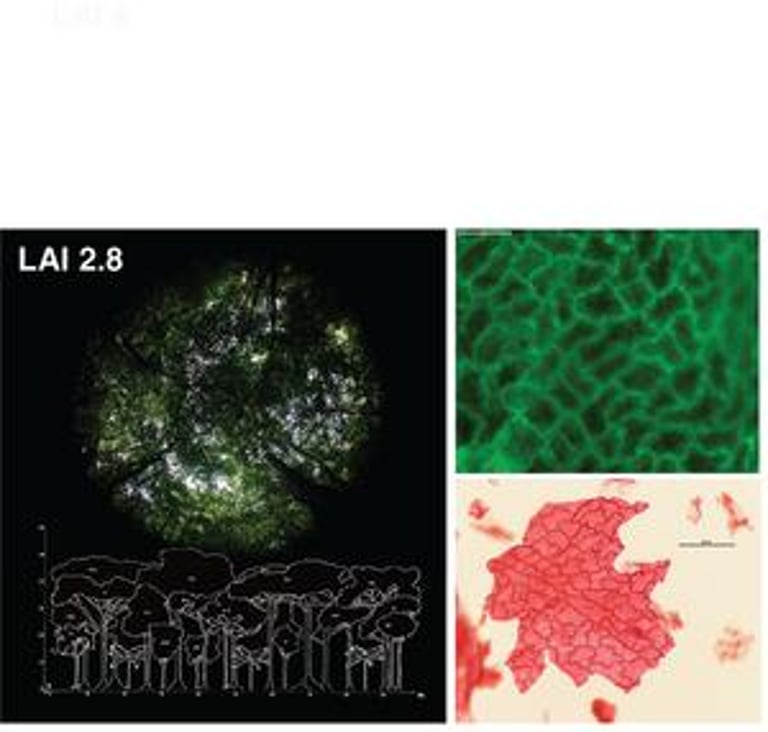


A recent study reconstructs forest canopy during the PETM 56 million years ago using fossilized leaf cuticle fragments to estimate leaf area index, finding that forests browner and the canopy thinner due to elevated CO2, warming, and reduced rainfall.
The PETM serves as a warning that the current rapid anthropogenic warming could cross thresholds that take millennia to recover from, underscoring the need to limit temperature rise and moisture stress to keep forests resilient.
Wyoming’s Hanna Basin forests were once dense with Metasequoia, palms, and broad-leaved trees, contrasting with today’s sagebrush-dominated landscape.
While there are signs of reforestation efforts in places like China, recovering to pre-warming carbon levels could take up to 100,000 years, highlighting urgency in cutting warming.
Beyond CO2, extreme temperatures and disrupted water relations degrade forest health, causing mortality and thinning.
Canopy thinning persisted for more than 100,000 years, shifting forest composition and altering soils and river deposits due to changed water flow.
The PETM shows a multi-species response, with climate stress reorganizing entire forests and their carbon-regulating functions.
Today, global forest productivity has declined since around 2000 as higher temperatures and drought offset any CO2 fertilization benefits.
Rapid warming led to drought stress that offset growth benefits from higher CO2, reducing productivity and carbon storage.
Understanding carbon-climate-vegetation interactions during the PETM informs policy and conservation as climate change accelerates.
Canopy openness lingered for over 100,000 years after warming, signaling long-term ecological disruption despite eventual recovery.
Protecting and restoring forests is crucial since they are major carbon sinks; loss of canopy density would amplify climate impacts.
Summary based on 11 sources
Get a daily email with more World News stories
Sources


Gizmodo • Aug 13, 2026
Forests Withered During an Ancient Warming Episode. History Could Repeat Itself

Ediciones EL PAÍS S.L. • Aug 14, 2026
Temperate forests that once vanished over millennia are now disappearing in decades