Severe Drought Devastates European Harvests, Triggers Surge in Grocery Prices
August 18, 2026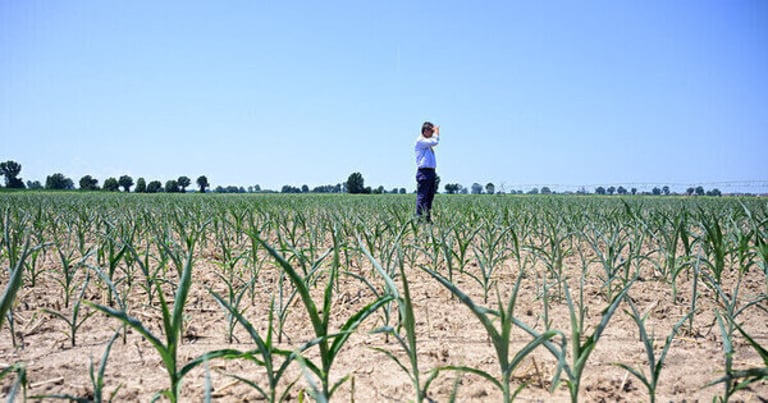

Europe is enduring an exceptionally hot summer with near-record heat in Britain and widespread drought that stresses farmers, food supply chains, and the broader economy.
Low Rhine water levels are constraining barge transport, pushing some cargo to road or rail, though rerouting is not always feasible and can raise logistics costs.
In the Po basin, authorities report a high-severity hydrological situation with saltwater intrusion and irrigation strain, while the Danube near the Serbian border has reached historic low water levels impacting navigation and irrigation in Hungary and Romania.
Policy proposals call for treating food security as strategic infrastructure and enabling local authorities to support healthy food access, such as reduced business rates for healthy-food initiatives and more public spaces for farmers markets.
The article highlights a paradox: substantial economic losses for farmers and the agricultural sector with only modest immediate price spikes for consumers at bakeries and shops.
Officials will unveil a department-by-department overview of targeted aid and emergency funds on September 3 to bolster farm cash flow and accelerate recovery, including rapid deployment of an emergency fund to prefectures in the fall.
Agriculture Minister Annie Genevard announced a comprehensive emergency support plan to assist the sector, with funds rolling out on September 3 to strengthen cash flow and production.
Looser rules for organic farms allow use of green manure areas and maize intended for grain as silage with prior notification to local offices.
Yield reductions are affecting peas, carrots, and cereals, with potential knock-on effects for frozen foods, prepared foods, soups, and other ingredients used in manufacturing.
Federal and regional authorities plan increased direct payments next year to improve planning security amid rising costs and potential lower harvests.
Farmers’ groups warn some farmers may struggle to pay fertilizer and pesticide bills and may require bank support, signaling ongoing financial stress.
The approach reflects a shift toward sustainable agriculture backed by financial institutions aiming to mitigate climate risks in farming.
Summary based on 46 sources