Rising Demand Strains Pennsylvania Food Banks as SNAP Cuts Impact Low-Income Households
August 24, 2026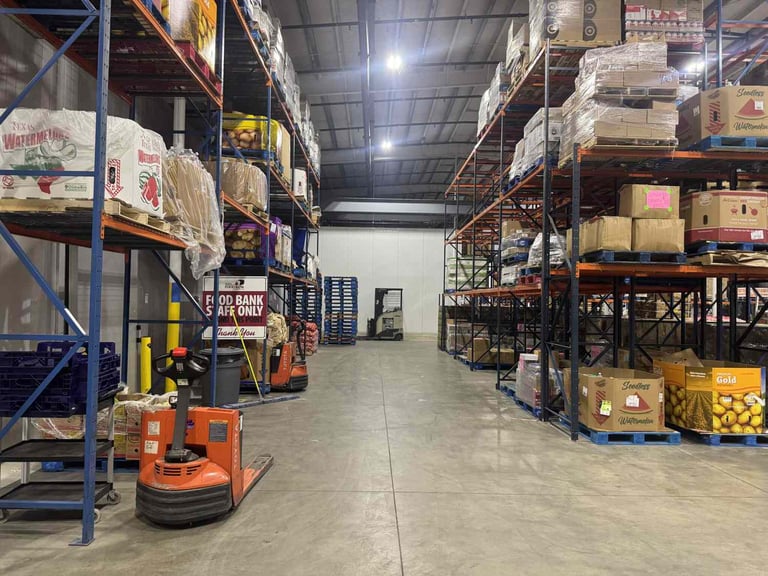

Pennsylvania food banks are seeing sharply rising demand as SNAP benefits are cut and broader economic pressures—like inflation, tariffs, higher energy costs, and weather-affected crops—tighten access to nutritious food for low-income households.
Second Harvest stresses that private donations remain crucial to filling gaps in the regional food supply.
One food bank notes it operates five days a week, with food secured for now for certain families, but future availability remains uncertain amid ongoing supply gaps.
Organizations are diversifying sourcing, leaning on community generosity, and prioritizing high-demand items such as meat, dairy, and produce, though these efforts strain budgets.
Supply shortages are hitting partner organizations, with bare warehouse shelves and contract delays affecting about 200 area food banks, soup kitchens, and shelters.
Analysts say SNAP losses amplify pressure: benefits provide far more meals per dollar than charity alone, so reductions force banks to source more—often at higher costs—to meet demand.
In Allentown, the area ecumenical food bank reports a 55% rise in new clients over the past two months, while weekly distribution remains high and demand grows across its service area.
A personal example shows the impact: a 44-year-old single father and his 1-year-old daughter rely on the food bank to stretch limited funds for the week.
Policy changes to SNAP are framed as a backbone risk to the charitable system, with hunger gaps widening unless funding and targeted assistance are increased.
The Greater Pittsburgh Community Food Bank reports a $5 million cash-value loss due to fewer SNAP participants and a 22% surge in demand after a federal shutdown delay, prompting shifts to prioritize high-cost, in-demand items.
Philadelphia’s Share Food Program notes visitors rising after stricter SNAP eligibility, highlighting the challenge of sourcing lean proteins, dairy, and produce amid greater reliance on donations.
State and federal policy changes, including the 2025 One Big Beautiful Bill Act, have reduced SNAP eligibility and increased paperwork, contributing to a near-term drop in Pennsylvania SNAP enrollment and higher demand on food banks.
Summary based on 3 sources
Get a daily email with more US News stories
Sources
Pennsylvania Capital-Star • Aug 24, 2026
Food banks across Pennsylvania are struggling to keep up in the face of SNAP cuts, economic pain
Successful Farming • Aug 24, 2026
Food Banks Across Pennsylvania Are Struggling to Keep Up in the Face of SNAP Cuts, Economic Pain
WFMZ.com • Aug 24, 2026
Allentown food bank sees surge in new clients as supplies shrink