Interpol's Global Crackdown on West African Cybercrime Nets 58 Arrests, Targets Infrastructure Disruption
August 25, 2026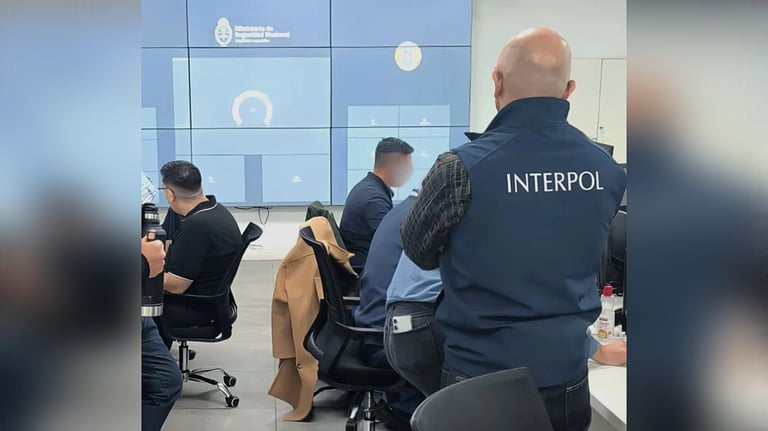


Interpol’s Jackal IV orchestrated an eight-month global crackdown that yielded 58 arrests and identified 263 suspects across 22 countries and six continents, targeting West African criminal networks involved in cyber-enabled financial fraud.
Beyond arrests, the operation prioritized disrupting illicit financial flows and the networks’ infrastructure to undermine profitability and cross-border crime activities.
The campaign highlighted a broader range of fraud types, including cryptocurrency scams and high-return investment schemes, as part of the criminal ecosystem.
Experts from Sophos and Recorded Future warned that infrastructure-focused disruption can be more impactful than arrest totals, reducing immediate criminal capabilities and improving law enforcement visibility for future operations.
The effort emphasized gathering intelligence and dismantling infrastructure to map and disrupt networks, aiming to identify facilitators and providers rather than merely counting arrests.
Interpol signaled that many cases remain open, underscoring the need for continued enforcement and ongoing intelligence gathering to curb cybercrime.
Although Jackal IV recorded fewer arrests than earlier waves, the emphasis on intelligence and disrupting supporting networks is expected to yield long-term strategic benefits against African cybercrime.
Interpol facilitated international coordination, intelligence sharing, and training for money-laundering investigations across participating countries.
A troubling trend emerged of West African groups increasingly using sextortion of minors, with some victims as young as 14, often coordinated via social media to coerce material sharing and ransom payments.
The operation highlighted a rise in Crime-as-a-Service, with groups outsourcing activities like money laundering to external providers via the dark web, creating a modular and more organized crime model.
Investigators tracked illicit financial flows through shell companies and mule accounts to disrupt the financial backbone of scams, rather than focusing solely on individual scammers.
Nigeria participated alongside a broad coalition of countries across six continents, including Austria, Argentina, Australia, Canada, and the United States.
Summary based on 10 sources
Get a daily email with more World News stories
Sources

The Hacker News • Aug 26, 2026
INTERPOL Operation Jackal IV Arrests 58, Identifies 263 in Global Cyber Fraud Crackdown
BBC News • Aug 25, 2026
West African cyber-crime networks: Mass arrests follow Interpol crackdown
The Guardian Nigeria News - Nigeria and World News • Aug 25, 2026
Nigeria joins global crackdown on Black Axe