Germany's Housing Crisis: 1.35 Million Unit Deficit Threatens Economic Growth and Stability
August 26, 2026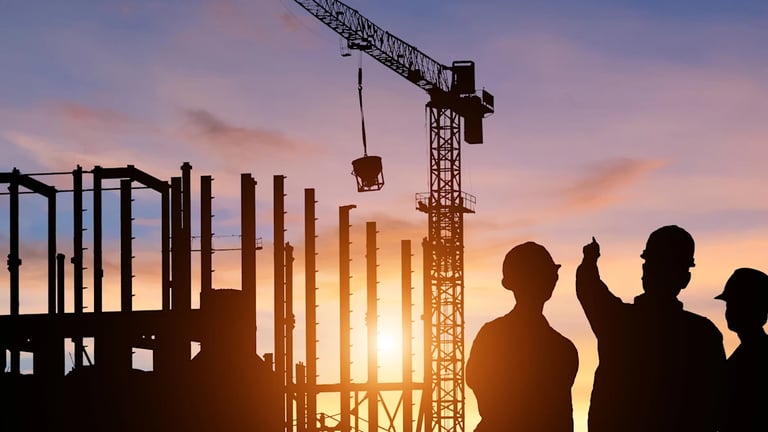

Germany faces a deep housing shortage with about 84,600 fewer new apartments built in the past year than two years earlier, contributing to a national housing deficit of around 1.35 million units and costing the economy billions in lost revenue and growth.
The Pestel Bau-Monitor 2026 shows the construction shortfall hitting every region, with Niedersachsen, Schleswig-Holstein, Hamburg, and Mecklenburg-Vorpommern collectively missing about 203,000 homes, and overall nine million-plus square meters of living space not being built.
Economically, the construction slowdown translates into roughly 26.9 billion euros in lost sector revenue and about 0.6 percentage points shaved off GDP, with the state collecting billions less from turnover tax and real estate transfer tax.
Industry voices warn that reforms so far aren’t enough to shield renters from evictions and rising costs, stressing the need for stronger policy action to stabilize housing affordability.
The aging population and labor dynamics are linked to housing policy, with experts suggesting a higher intake of immigrants to stabilize population and support the labor market.
Recommendations call for accelerating federal support for construction and enabling faster, legally secure approvals to boost supply and growth.
Policy implications and recommendations to address the housing shortage and stabilize rents are discussed, though specifics depend on the cited study.
More than half of all tenants live in rental housing, and about 80 percent of those in poverty rent; 29 percent fear they may not be able to pay future rent amid rising costs.
Politically, the ruling coalition emphasizes competitiveness and housing reform, including plans for a new state housing company, with autumn steps anticipated to advance reforms.
The Ifo Institute notes a fragile housing market recovery in July, with ongoing project cancellations and uncertain demand despite a slight improvement in the housing climate.
The political discourse includes concerns about a rising right-wing movement and urges solidarity with migrants and housing-affected communities to counter xenophobia.
DMB’s Mietenreport is grounded in official data and a Forsa survey of 1,021 renters, underscoring widespread cost pressures.
Summary based on 13 sources
Get a daily email with more EU News stories
Sources
Deutsche Presse-Agentur • Aug 26, 2026
Study: House-building crisis has shaved 0.6 points off German GDP