India-EU FTA-2: A New Era of Realism, Collaboration, and Strategic Growth
August 27, 2026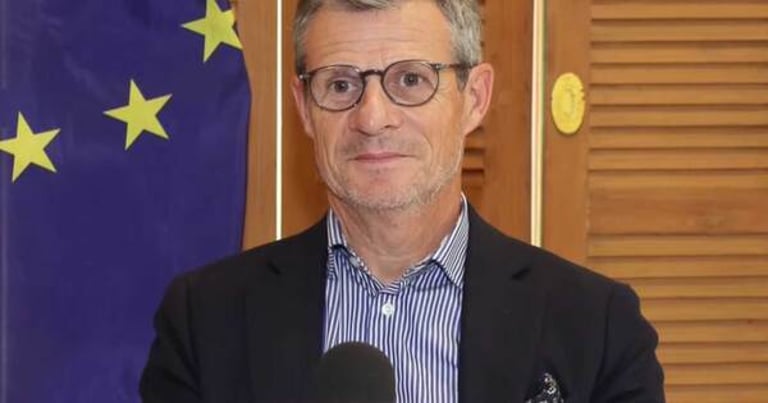

FT A-2 is not a simple continuation of prior talks; progress since 2025 has built momentum, and negotiators expect to reach a conclusion within about a year.
The India-EU Free Trade Agreement is being framed as FTA-2, a breakthrough driven by realism and pragmatism, with both sides identifying clear priorities and red lines to avoid unproductive debates.
Blue valleys are highlighted as a pathway for deeper collaboration, describing industrial cooperation parks or corridors for joint research, innovation, startups, investment, skilling, and manufacturing.
De-risking and building resilient supply chains are key shared objectives, with mutual understanding helping address global volatility.
CBAM concerns are acknowledged, with focus on high-carbon exports like steel and iron; dialogue will address Indian impacts while potentially benefiting low-emission steel exports.
Strong political will and complementary market dynamics underpin the breakthrough, with momentum rising through 2025 and a conclusion expected within roughly a year.
The ambassador emphasizes market complementarity rather than direct competition, suggesting the deal could be signed within a year.
De-risking and resilient supply chains are priorities supported by the FTA, an Investment Protection Agreement, and the India-EU Trade and Technology Council, targeting semiconductors, clean technology, pharmaceuticals, and agri-food.
Cooperation will focus on strategic sectors—semiconductors, clean tech, pharmaceuticals, and agri-food—pursued through the FTA, Investment Protection Agreement, and TTC to reduce dependence on any single market.
Indian steel producers could benefit from CBAM if they supply lower-emission steel, as Europe remains a significant steel importer; issues will be handled through dialogue and mutual understanding.
Delphin explains CBAM will prevent carbon leakage and affect only a subset of exporters, notably high-carbon steel and iron, not all exporters.
The EU Ambassador to India, Herve Delphin, says India-EU relations are stronger than in years due to deeper strategic understanding and broader cooperation across sectors.
Summary based on 3 sources
Get a daily email with more EU News stories
Sources

Economic Times • Aug 27, 2026
India-EU ties stronger than ever, FTA breakthrough driven by realism, pragmatism: EU Ambassador
Asianet Newsable • Aug 26, 2026
India-EU relations stronger than ever, says outgoing envoy Delphin