UK Households to Lose £2,400 in Real Income by 2027 Amid Energy Crisis and Inflation
August 31, 2026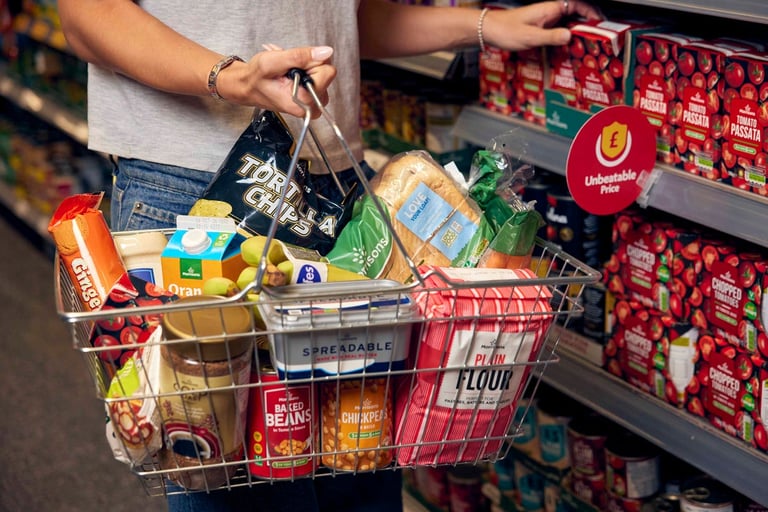

Inflationary pressures and central bank policies (including the BoE) keep interest rates elevated, contributing to the squeeze on real incomes.
Energy and transport bills have risen by about 9.8 billion pounds, with ongoing costs estimated at roughly 190 million pounds per week for UK energy consumers as conflict continues.
Ofgem is expected to raise the price cap by about 4% in October, further pressuring household budgets.
The war’s economic impact is eroding UK spending power and hindering growth as real incomes shrink and consumer spending weakens.
UK households face higher energy costs, fuel, and grocery prices driven by disruptions to oil and LNG shipments via the Strait of Hormuz, described as a major shock to global energy supplies.
CEBR projects UK households will lose about 70.4 billion pounds in real disposable income by 2027 due to inflation and weak wage growth linked to the Iran-related conflict.
The UK is facing a real income squeeze, with households expected to lose about 2,400 pounds in real income by 2027—1,100 pounds in 2026 and 1,300 pounds in 2027—driven by higher energy costs and persistent inflation.
In 2026, real household income is projected to fall by around 1,100 pounds, followed by a further 1,300 pounds drop in 2027 as inflation remains elevated and wage growth stalls.
Ongoing Middle East tensions, including US-Iran actions and oil price movements, are cited as context for energy market volatility impacting UK households.
Experts warn the purchasing-power squeeze will persist until energy markets stabilize, affecting weekly shopping, petrol, and energy bills.
The Bank of England is anticipated to hold rates steady for the rest of the year, keeping borrowing costs high amid the energy shock.
Firms have adopted a defensive stance on investment and hiring, with vacancies at their lowest in over a decade in Q2 2026, signaling tighter labor demand under the real-income squeeze.
Summary based on 2 sources
Get a daily email with more World News stories
Sources

The Independent • Aug 31, 2026
UK households will suffer £2,400 financial hit from Iran war, analysis shows
Daily Express • Aug 31, 2026
UK households warned ‘you’ll be £2.4k out of pocket’ by 2027