NIH Director Urges Trust in Science to Combat Vaccine Hesitancy Amid Rising Measles Cases
August 9, 2026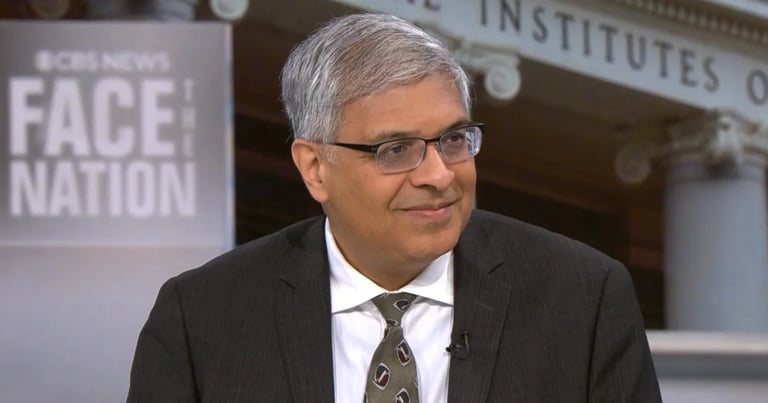

Bhattacharya calls for renewed public trust in science and recalls measles vaccination messaging and the South Carolina outbreak as an example of vaccination impact.
Regarding measles, he notes only a handful of states exceeded 95% vaccination coverage in the previous school year and describes targeted outreach to high-risk communities.
The discussion aired on Face the Nation with Margaret Brennan on August 9, 2026, addressing public health issues and vaccination.
He cites progress in controlling measles outbreaks in states like Texas, Arizona, Utah, and others, emphasizing targeted outreach to high-risk populations.
He revisits the autism-prevalence debate, underscoring the need for open scientific discussion without political interference over vaccine links.
He discusses a potential White House executive order on vaccines and autism but says specifics aren’t finalized, while stressing continued autism research through the Autism Data Science Initiative and evidence-based inquiry.
He marks the CDC shooting anniversary, honors Officer David Rose, and emphasizes countering misinformation while avoiding overemphasis on the shooter’s motives.
The interview argues public trust fell during the pandemic due to health decisions and messaging, advocating a more open scientific process to rebuild trust and reduce misinformation.
He highlights ongoing food-safety outbreaks—from cyclospora linked to iceberg lettuce across multiple states to possible Salmonella in jalapeños and produce, and a screwworm issue in beef—and explains CDC and FDA steps to trace sources, intervene, and recall contaminated products.
The interview features Dr. Jay Bhattacharya, NIH director, urging trust in science and advocating for vaccinating children against measles and other routine diseases to protect school attendance.
He argues that trust comes from scientists freely exploring questions without political overlay, outlining efforts to foster that environment as NIH director.
He links rising measles cases to eroding trust post-pandemic and criticizes fear-based messaging that fuels vaccine hesitancy.
Summary based on 2 sources