Penn Medicine Tests Revolutionary FLASH Proton Therapy for Recurrent Head and Neck Cancers
September 1, 2026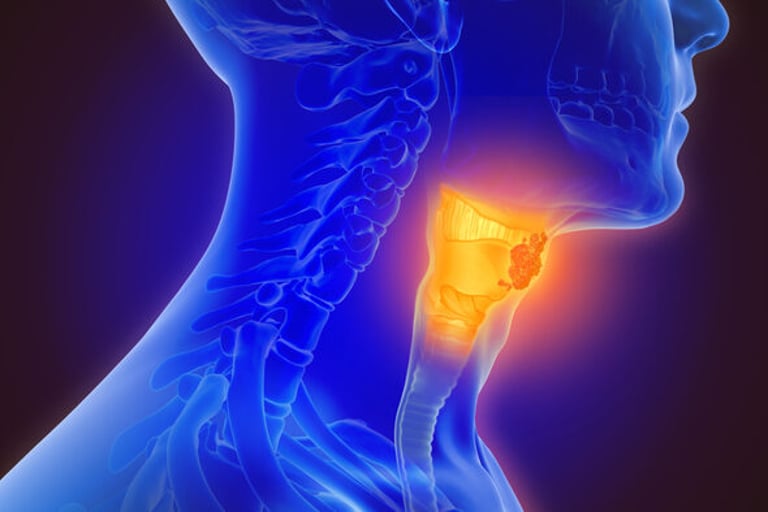

Penn Medicine is launching the first U.S. human clinical trial of FLASH proton therapy, a rapid, ultra-high-dose form of radiation that aims to deliver treatment in under a second with fewer sessions and potentially fewer side effects.
ConformalFLASH uses 3D conformal targeting and a high-dose, rapid-dose strategy to minimize damage to surrounding healthy tissue while keeping the total dose equivalent to conventional therapy.
Early animal studies suggested reduced toxicity without compromising tumor control, but results in humans remain uncertain and are expected to unfold over several years.
The trial is based at the University of Pennsylvania and Penn Medicine, advancing from preclinical work to clinical testing with the aim of broader application if successful.
Participants will be monitored for at least five years to assess long-term side effects and outcomes, with potential expansion to other cancer types if results are favorable.
Previous trials in animals showed promise for fewer side effects, though translating to humans will take time and careful evaluation.
If the approach proves safe and effective, the research could expand to additional cancers and move toward Phase II/III trials to evaluate outcomes more broadly.
The study is described as promising by lead researchers, with potential to broaden FLASH radiation to more cancer types if results stay positive.
Successful results could trigger nationwide trials and eventual standardization of FLASH proton therapy as a cancer treatment option.
The Phase I trial is conducted at the Roberts Proton Therapy Center at Penn Medicine, with enrollment coordinated by Ching Lai, and plans to expand to other cancers and larger trials if feasible.
The study is registered as a Phase I trial (NCT07644585) and focuses on patients with unresectable recurrent head and neck cancer to assess safety and feasibility before larger studies.
The trial enrolls about 10 patients with unresectable recurrent head and neck cancer to determine feasibility and safety, aiming to improve quality of life by reducing treatment burden.
Summary based on 9 sources
Get a daily email with more Science stories
Sources
CBS Philadelphia • Sep 1, 2026
New therapy treatment for cancer being tested at Penn Medicine: "The data's been really promising"
University of Pennsylvania • Sep 1, 2026
First clinical trial to test precision form of FLASH proton therapy
News-Medical • Sep 1, 2026
Penn Medicine tests FLASH proton therapy for cancer patients