Teen Duo Advocates for Plasma Donation, Boosting UK Supply and Awareness
September 1, 2026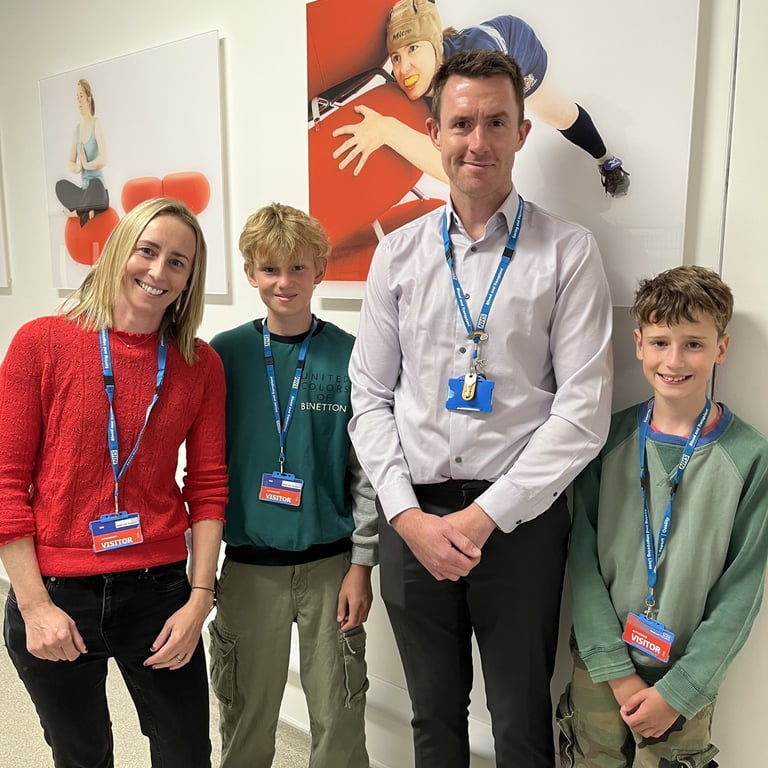

A Bristol visit by George, 14, and Artie, 12, to NHS Blood and Transplant's Filton facility showcased how donated blood is processed and how plasma is separated to manufacture plasma-derived medicines.
UK plasma currently accounts for about a quarter of NHS immunoglobulin demand, with plans to raise collection and self-sufficiency to 30-35% by 2031 as most plasma medicines remain imported.
George previously completed a 25-day running challenge, raising awareness for blood and plasma donation and sparking 32 new donors, with ongoing school outreach to promote donor registration.
The piece ends with a call to action to donate blood or plasma and provides resources to register or donate.
Plasma makes up roughly 55% of blood and is used to treat more than 50 conditions, with thousands relying on plasma-derived immunoglobulin annually, and albumin also depending on plasma donations.
The article emphasizes donor importance, outlines the journey from donation to medicine manufacture, and includes quotes from George, Artie, and NHSBT staff highlighting gratitude and ongoing recruitment efforts.
George and Artie both live with Primary Immunodeficiency and rely on plasma-derived immunoglobulin treatments—George receives IVIG every four weeks, while Artie uses home-based subcutaneous immunoglobulin.
Filton is NHSBT’s largest blood testing and processing site, a key supplier to hospitals, and since March 2025 UK-donated plasma has funded immunoglobulin medicines for more than 3,200 patients, strengthening domestic supply and reducing import reliance.
Summary based on 1 source
Get a daily email with more UK News stories
Source
NHS Blood Donation • Sep 1, 2026
Bristol brothers whose lives depend on plasma medicines go behind the scenes of blood and plasma processing