Federal Reserve Unanimously Raises Interest Rates for First Time in Over Three Years
September 16, 2026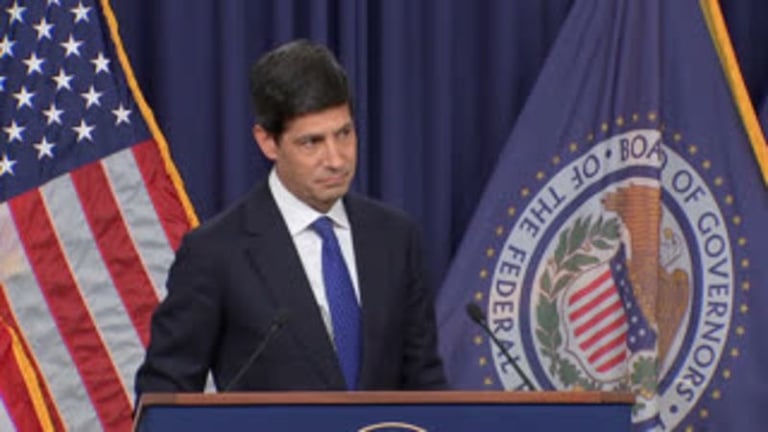

Axis Bank interprets the Fed’s stance as gradual rather than aggressive, projecting only one more rate hike after the latest 25 basis-point move and highlighting energy prices as the main inflation risk.
The Fed’s projections point to a slower path, with the possibility of skipping the October move and only one additional increase by March 2027, differing from market bets of roughly 75 basis points of further tightening.
Trump amplified his criticisms on social media, urging for substantially lower rates and broader trade policies.
Policy timing aligns with broader pressures—Iran-related tensions, energy prices, tariffs, AI investment, and resilient consumer spending—that complicate the inflation outlook.
Warsh warned that the rate rise would lift borrowing costs for mortgages, auto loans, and credit cards over time.
Analysts note that high U.S. debt levels and tariffs may influence rate dynamics, even if not always cited by the Fed.
Fed Chair Warsh justified the move by stating inflation remains too high and the Fed remains committed to the 2% target.
There’s a disconnect between Trump’s calls for lower rates and market/central bank expectations for higher-for-longer policy amid inflation risks and geopolitical tensions.
Warsh had earlier suggested possible rate cuts before taking office, signaling a stance shift since May 22.
The decision was approved unanimously by all 12 members of the Federal Open Market Committee.
The Fed framed its move as addressing persistent inflation rather than temporary supply shocks, with spending remaining resilient.
Warsh’s remarks come amid a strong labor market and geopolitical challenges, though credibility remains debated due to gaps between policy timing and market pricing.
Summary based on 7 sources