Germany's 10-Point Plan Targets Housing Abuse & Social Fraud, Boosts Migrant Protections
September 16, 2026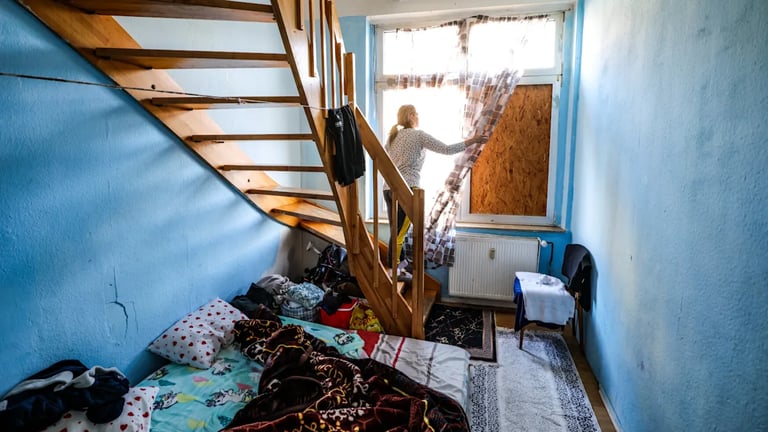

Germany’s new ten-point plan targets abuses linked to dilapidated housing rented to social beneficiaries, enabling municipalities to tackle these properties with repair orders, easier preemptive purchases, and potential expropriation for non-compliance, while also focusing on safeguarding workers.
The plan stresses that millions of EU workers are in Germany and aims to prevent exploitation and organized abuse, while welcoming skilled labor from abroad.
A dual aim guides the plan: crack down on fraud and strengthen protections for migrants, including better safeguards against housing scams and misrepresentation.
The report, authored by Tobias Kaiser, places this as a current political development in Germany.
A core element is expanding inter-agency data sharing among job centers, social offices, tax authorities, building authorities, police, registration offices, and health providers to detect double benefit claims more quickly.
The government intends tighter controls and stricter enforcement to reduce social benefit fraud.
CDU leaders, including Dennis Radtke, call for full legal consequences for those turning others’ hardship into profit and favor stronger controls and data sharing to combat fraud.
CDU figures push to extend the crackdown beyond beneficiaries to target organizations behind fraud, advocating broader data sharing among authorities.
Länder are drafting amendments to regulate AI-based information systems, advertising rules for private media, and media supervision with a focus on protecting minors in Family Influencing.
The cabinet is expected to approve the plan in September with full enactment by year’s end, per Bild and Tagesschau.
Leadership changes include Rainer Robra planning to resign in Saxony-Anhalt, while SPD contemplates consulting former figures amid ongoing criticism.
In security news, four Eurofighters will be deployed to Latvia to secure airspace during its October elections, with a longer-term NATO air policing plan for the Baltic region.
Summary based on 17 sources