Antarctica's Unique Microbial Life at Risk from Human Activity, Study Shows
September 2, 2026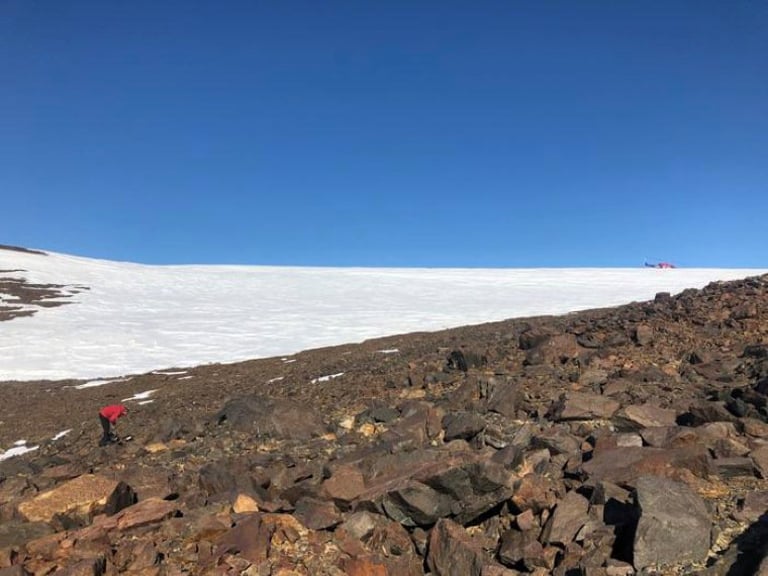

Antarctica hosts highly distinctive microbial diversity, with some of its most unique biodiversity consisting of microscopic life, a finding that shapes conservation priorities and future research in extreme environments.
However, rising tourism and research activity risk introducing non-native bacteria to pristine Antarctic soils via clothing and gear, threatening the soil ecosystem.
The research opens new avenues, suggesting other regions may harbor endemic microbes and underscoring the need for broad endemism-focused microbial surveys.
The study centers on Arthrobacter bacteria, comparing Antarctic soil samples with soils from the Tibetan Plateau, Spitzbergen, and the Atacama Desert, using genome sequencing and global database consultations.
Researchers sequenced 100 Antarctic Arthrobacter samples and 500 worldwide strains to assess genetic differences and potential endemism.
Antarctic Arthrobacter strains were analyzed against samples from Colorado, Tibet, Spitzbergen, and the Atacama Desert, with genomes sequenced and growth tested under simulated Antarctic conditions.
The study, titled “Evidence for endemism and local adaptation in Antarctic soil bacteria,” was published in the Proceedings of the National Academy of Sciences.
Laboratory experiments show Antarctic strains grow more slowly but exhibit high resistance, indicating long-term adaptation to extreme conditions.
Follow-up experiments under simulated Antarctic conditions reaffirm that endemic strains are highly resilient yet slower-growing, signaling local adaptation to Antarctica’s harsh environment.
Overall, simulated Antarctic cultivation demonstrates slower growth but greater resistance among Antarctic bacteria, consistent with strong local adaptation.
About 90 percent of Antarctic Arthrobacter strains were not found in existing global genome databases, indicating unique, endemic lineages specific to Antarctica.
Though roughly nine in ten Antarctic strains appear endemic, researchers caution that current global databases are incomplete and broader sampling is needed to confirm exclusivity.
Summary based on 3 sources