Northeast Air Travel Chaos Exposes FAA Infrastructure Flaws Amid Damaged Communication Lines
September 21, 2026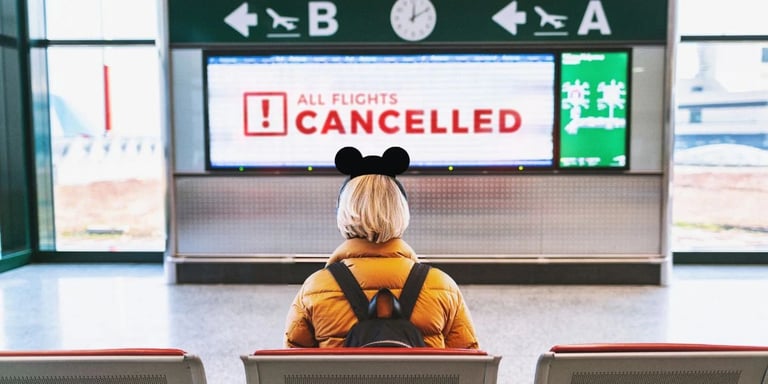


A FAA outage in the Philadelphia area disrupted Northeast U.S. air travel, triggering widespread ground stops and significant delays and cancellations at major hubs from Newark to Boston, with operations gradually recovering as lines were restored.
Industry analysis highlighted vulnerabilities in critical aviation telecom infrastructure to construction-related fiber cuts, raising questions about redundancy, potential satellite backups, and the need for clearer site markings and contractor coordination to prevent future incidents.
Travelers affected were advised to monitor flight statuses closely, anticipate reassignments, consider earlier flights, and stay alert to evolving arrival times and gate changes.
The overhaul plan envisions replacing copper with fiber, moving computing online to the cloud, and introducing an AI-based system to predict problems, though funding for these components remains uncertain.
Policy and industry voices pressed for upgrading legacy equipment, including circuits, radar feeds, and communications, to create more resilient, digitally based systems with better redundancy.
Officials stressed contingency planning and redundancy in communications and air traffic systems, plus proactive traveler monitoring and documentation of expenses for potential DOT reimbursements.
Transportation Secretary acknowledged known vulnerabilities and the plan to upgrade FAA equipment and telecoms, with Congress having previously approved substantial funding for upgrades and controller hiring.
There is no disclosed resolution timeline yet; officials have not provided an expected completion time for the current outage.
Upgrades continue to show progress, with thousands of communications lines and hundreds of voice switches replaced, while critics call for sustained funding and potential structural reforms, such as an independent air traffic control agency.
The incident feeds a broader debate on making the New York airspace more resilient through infrastructure upgrades, better coordination, and staffing reforms that will take years to implement.
Experts note that while the system remains fundamentally safe, failures in infrastructure can cause severe delays in congested regions due to safety protocols that slow or halt traffic when data quality degrades.
There is emphasis on robust, independent backups (potentially a third line) to prevent simultaneous failures and mitigate nationwide impacts during outages.
Summary based on 107 sources
Get a daily email with more US News stories
Sources

The National • Sep 21, 2026
Flights grounded at several north-east US airports due to equipment problems
FOX 29 Philadelphia • Sep 21, 2026
Philadelphia International Airport issues ground stop due to equipment outage

Shore News Network • Sep 21, 2026
FAA Equipment Failure Grounds Newark Flights, Disrupts Airports Across Northeast