Trump Era EPA Delays PFAS Survey, Sparking Regulatory Debate and Public Health Concerns
September 3, 2026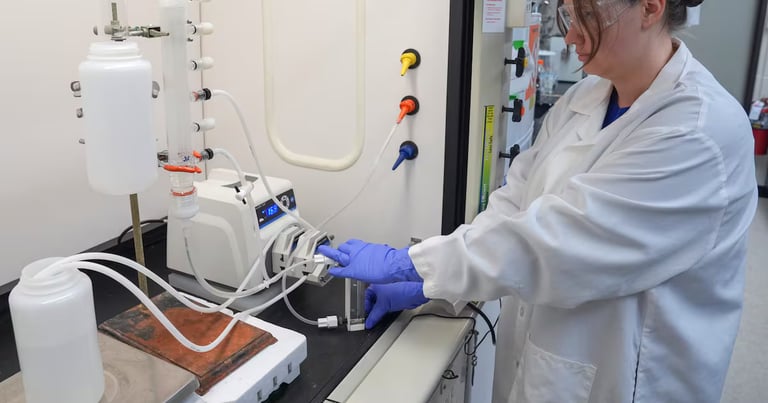

Former EPA officials say the Trump administration stalled a first-of-its-kind survey of PFAS in wastewater that would help identify industrial sources and inform potential nationwide regulations.
Public responses vary: environmental advocates urge immediate, data-driven action while opponents warn against overreach or unfair burden on industry.
Michigan and several other states have independently collected PFAS data and set discharge limits, showing a model for reducing PFAS in waterways and biosolids.
The piece emphasizes ongoing public health concerns about PFAS and the regulatory debate over how best to collect nationwide data to inform future limits.
The article places PFAS regulation and environmental oversight in a broader context, citing unnamed former agency officials involved in the study’s development.
There are concerns that delaying the study could affect enforcement and public health protections related to PFAS.
Opposition centers on how delays could hinder regulatory progress and protections from PFAS exposure.
PFAS are a family of persistent synthetic chemicals linked to health risks, including certain cancers and developmental effects, and are widespread and hard to remove from wastewater, biosolids, and water.
Experts link PFAS to health risks and note that treatment plants often cannot remove PFAS, enabling environmental spread.
PFAS exposure is connected to cancer and developmental issues in children, with widespread environmental presence and challenges in removal at wastewater facilities.
Regulatory activity continues around PFAS in wastewater from certain manufacturers, with public input sought on PFAS in biosolids and exposure reduction measures.
Experts present contrasting views: critics say the survey would disrupt polluters and demand major regulation, while supporters view it as essential to identify pollution sources and protect health.
Summary based on 18 sources
Get a daily email with more Science stories
Sources
AP News • Sep 3, 2026
Trump administration stalled PFAS survey, former EPA officials say | AP News
ABC News • Sep 3, 2026
Trump administration stalled a survey of PFAS in wastewater, former EPA officials say
Chicago Tribune • Sep 3, 2026
Trump administration stalled a survey of PFAS in wastewater, former EPA officials say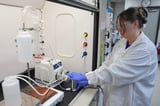
WKRG News 5 • Sep 4, 2026
Trump administration stalled a survey of PFAS in wastewater, former EPA officials say