US Military Influence Spurs Sovereignty Concerns in Australia Amid Rising Calls for Independence
September 6, 2026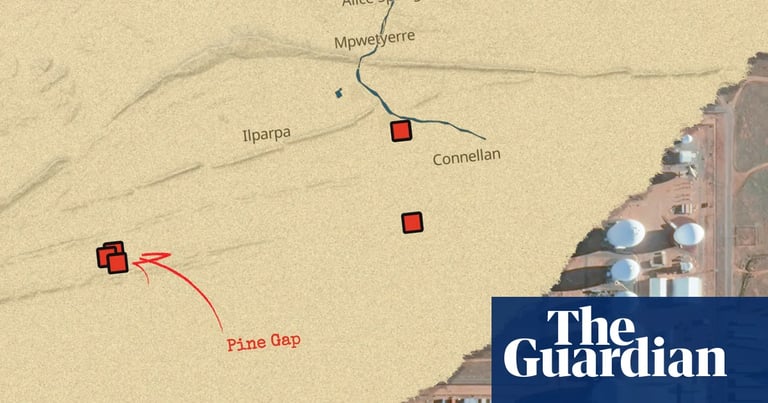

Tensions between the US and China are rising in the Indo-Pacific, with Australia potentially caught in the crossfire as collateral damage amid escalating great-power rivalry.
Australia’s growing military alliance with the United States is seen as increasing the risk of entanglement in a potential China conflict due to a stronger American military footprint and logistical support on Australian soil.
Analysts note Russia’s upgraded naval capabilities, including a mix of nuclear and conventional submarines, as a geopolitical factor shaping regional dynamics.
Ultimately, alliances grant access to bases and airspace but are not decisive; strategic value rests on geography and access, while the security benefits must be weighed against the risk of entanglement.
Experts urge Western states to adapt with accelerated defence investment and industrial mobilization in response to shifting war doctrines.
There is a debate over tougher sanctions on Russia and its trading partners, weighing feasibility and potential economic retaliation against a unified international response.
Some experts argue Europe should bolster defence production to sustain Ukraine, while China strengthens influence by deepening ties with Russia.
Former Australian prime ministerial adviser Kevin Rudd argues physical security is paramount, alliances are force multipliers but not sufficient, and Australia should re-embrace national self-reliance for future uncertainties.
Australia’s geography enhances its utility to the US for power projection and rear-area basing, but some critics warn the friendly rhetoric masks strategic exploitation.
Mapping shows extensive access: dozens of US-controlled or jointly accessible facilities in Australia, highlighting the scale of the security footprint.
Australia’s acquisition of eight nuclear-powered submarines under AUKUS is framed as a major deterrent and a way to counter regional contingencies amid broader alliance deployments.
Public resilience and candid crisis planning are urged as essential components of Australia’s preparedness for potential conflict.
Summary based on 5 sources