Supersized El Niño Fuels Flash Droughts and Bushfire Threats Across Australia
September 7, 2026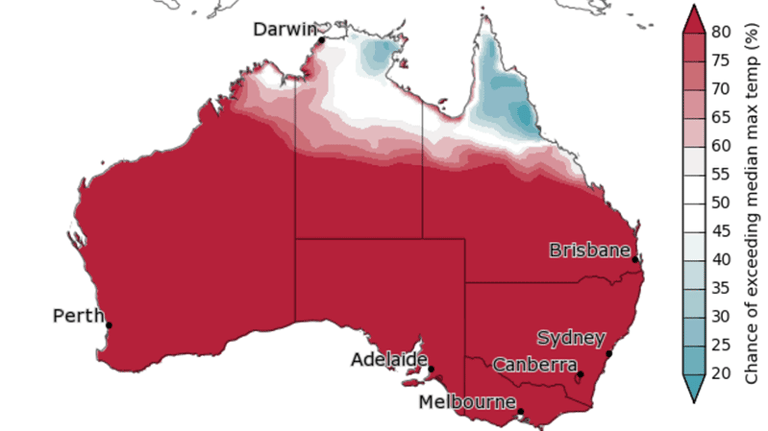


El Niño is strengthening and could reach the strongest on record, peaking this winter and lingering into next summer, with global implications including heat, drought, heavy rain, and floods.
Researchers analyzed ancient Galápagos coral fossils to infer historical sea surface temperatures and establish a baseline before industrial-era warming.
Experts caution that a direct causal link to human-caused climate change isn’t definitively proven, but warming from human activity is the most likely explanation for the observed trend.
Residents should prepare for floods and heat waves with practical steps: improve drainage, clear gutters, patch leaks, sign up for emergency alerts, and stay informed with forecasts.
Cities can bolster resilience by setting up cooling centers and action plans for vulnerable populations and flood-risk areas, including flood maps and insurance awareness.
Emergency preparedness advice emphasizes Go-Bags, securing property, maintaining alerts, understanding NFIP basics, and recognizing that standard homeowner policies often exclude flood coverage.
Some alpine resorts remained open despite early closures, underscoring ongoing demand for snow holidays and the role of snowmaking infrastructure as a mitigation measure.
Water resources in river basins are expected to decline, reservoir levels to fall, with potential impacts on energy security and downstream water supplies.
Industry responses involve diversifying sourcing, investing in water management and infrastructure, and adjusting operations to cope with climate-driven disruptions.
Concerns persist about U.S. preparedness due to funding cuts to NOAA and the National Weather Service, which could affect timely warnings and staffing; experts call for renewed investment in early-warning capabilities.
Drought disruptions can cascade into flights, transport, goods distribution, local trade, and higher food prices, potentially depressing community incomes if conditions persist.
Region-specific implications for India include a limited current impact on the southwest monsoon but a weaker northeast monsoon and drier winter, potentially affecting rabi crops like wheat and mustard and requiring proactive water and agricultural planning.
Summary based on 200 sources
Get a daily email with more Climate change stories
Sources
The Sydney Morning Herald • Sep 7, 2026
What flash droughts and a super El Nino will mean for your summer