Influencers Disrupt US Open: Debate Over Fan Etiquette and Sports Event Evolution
September 7, 2026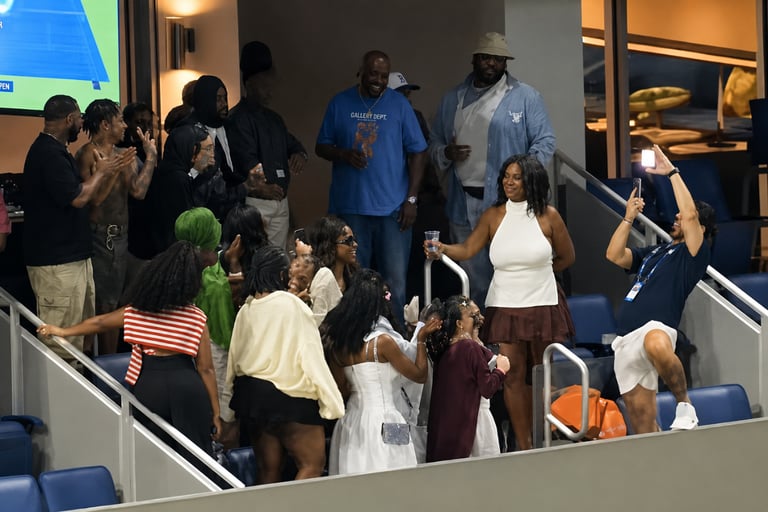


In a recent US Open match, influencers disrupted play prompting the umpire to intervene, drawing attention to fan etiquette and lighting use amid a broader debate on social media’s impact at elite sports events.
The coverage frames a larger discussion about how venues balance entertainment, accessibility, and competitive integrity as content creators become more embedded in live sports.
The USTA has expanded media credentials for creators, issuing roughly 100 this year versus 54 in 2025, signaling institutional uptake of influencer presence.
Wimbledon adopts a different model with no guaranteed late-night sessions, starting earlier to try to finish matches the same day, thus reducing late finishes but limiting scheduling flexibility.
Late-night matches persist due to financial incentives from night-session tickets and ESPN’s broadcast deal, which helps justify keeping events running after dark.
There is talk of calendar restructuring, including a potential Saudi-backed Masters 1000-level event in 2028 and a broader plan to shrink smaller tournaments in favor of bigger events.
Players’ welfare remains a focus, with a Grand Slam Player Advisory Council and schedule reforms aimed at reducing cumulative strain from extended calendars.
Official confirmation from Wimbledon on any schedule changes has yet to come, even as the 2027 calendar is being considered.
Wimbledon has shown willingness to modernize, such as adopting electronic line calling in 2025 as part of broader modernization efforts.
Several marathon matches on a Tuesday pushed the Alcaraz–Shelton quarterfinal to start around 11:00 p.m. ET, with multiple late finishes noted this year.
The sequence of long daytime matches pushing night sessions back has led to more matches finishing past 2:00 a.m. and the marquee Shelton–Alcaraz duel starting after 11 p.m.
Tuesday’s schedule included two lengthy daytime clashes that ended in decisive tiebreaks, delaying the night session and delaying high-profile late-night matches.
Summary based on 89 sources