Intel Releases Crucial BIOS Updates to Fix CPU Instability and Prevent Damage
September 7, 2026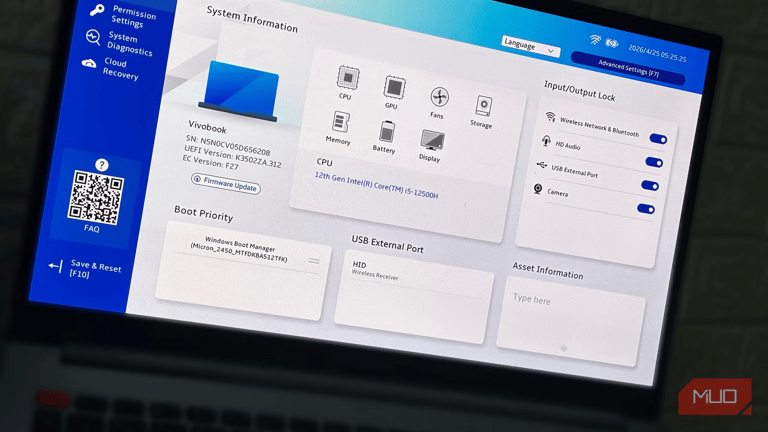

Intel rolled out nearly four microcode updates and BIOS revisions to fix Enhanced Thermal Velocity Boost and voltage handling, stabilizing the affected CPUs.
The 13th- and 14th-gen CPUs faced severe instability and potential damage from buggy voltage settings and aggressive motherboard defaults, which these BIOS/microcode updates aim to correct.
BIOS/UEFI integrity is critical for security, since firmware-level threats like BlackLotus can compromise a system before the OS boots, making BIOS updates important for defense.
Practical precautions for safe BIOS updates include updating via USB, ensuring stable power, and backing up custom configurations since updates reset settings to defaults.
AMD reported similar risks with EXPO-related SoC voltage increases, requiring AGESA updates to cap SoC voltage and prevent CPU damage, with ongoing incidents.
BIOS updates have become essential, delivering stability fixes, performance improvements, and critical security fixes.
Beyond stability and security, BIOS updates enable new CPU support and memory profiles, making them necessary in modern systems.
The core issue involved motherboard makers pushing excessive voltage and power limits, with vague guidance from Intel, creating load lines that caused overheating and potential permanent damage.
Summary based on 1 source
Get a daily email with more Tech stories
Source

MakeUseOf • Sep 7, 2026
Intel proved why you shouldn’t ignore BIOS updates anymore