Lee Jae-myung Unveils Bold Plan to Propel South Korea to Semiconductor Supremacy
April 28, 2025

On April 28, 2025, Lee Jae-myung, a presidential candidate from South Korea's Democratic Party, announced a comprehensive plan to strengthen the country's semiconductor industry, highlighting its critical role in the economy.
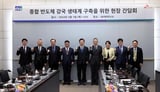
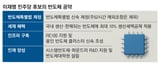
During his visit to SK Hynix, Lee emphasized the need for political support and proposed a production tax credit of up to 10% for domestically manufactured semiconductors.
This initiative is part of a broader strategy to enhance local chip manufacturing and address shifting global supply chain dynamics.
Lee pointed out the current crisis in the semiconductor industry, attributing it to global supply chain shifts and increased competition in artificial intelligence chips.
He plans to enact a special semiconductor law to facilitate company focus on development and production, aiming to position South Korea as the top semiconductor nation.
Lee's announcement comes as he campaigns for the upcoming presidential election on June 3, 2025, where he is currently leading in opinion polls.
His proposed policies include tax benefits, infrastructure development, and talent cultivation to boost the semiconductor sector.
He also emphasized the importance of fostering research and development and addressing the shortage of skilled workers in the chipmaking sector.
The semiconductor special bill he supports is designed to enhance competitiveness, although it notably lacks a controversial clause that would exempt the industry from maximum workweek limits.
Lee aims to transform South Korea into the world's leading chipmaker by leveraging superior technology, as stated in his policy pledge.
Despite some disappointment regarding the absence of direct subsidies, there is recognition of Lee's outreach to major companies like SK Hynix and Samsung Electronics.
His pledge reflects a global trend where countries are implementing measures to strengthen their domestic semiconductor industries and secure supply chains amid uncertainties.
Summary based on 10 sources