New York Enacts RAISE Act to Regulate AI Development Amid Controversy
December 20, 2025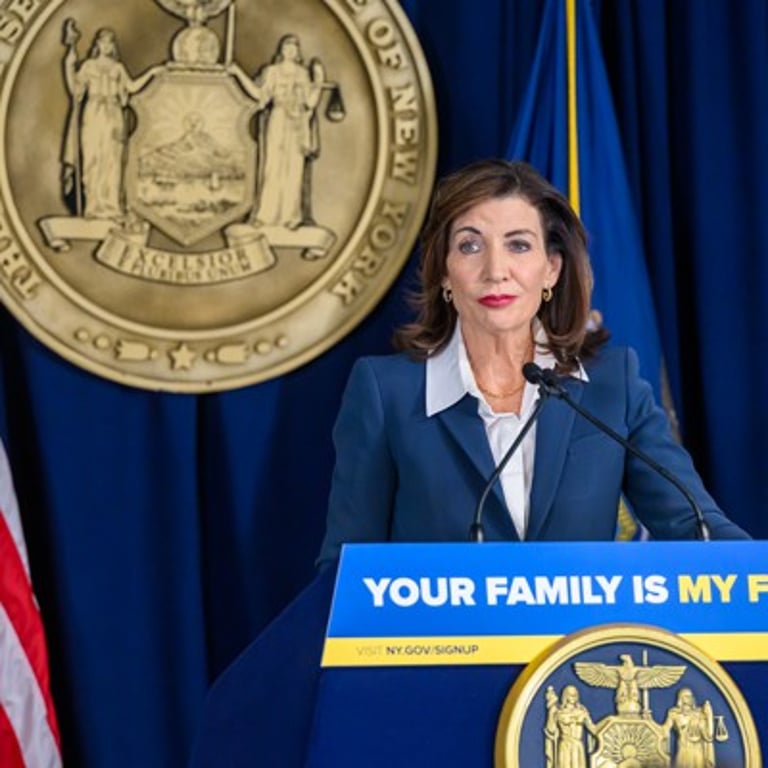

The final law excludes several elements from earlier drafts, reflecting pressure from both the tech sector and the governor’s office.
New York’s act sits alongside broader AI-safety efforts in entertainment and ongoing federal discussions, signaling a coordinated governance push.
New York has enacted the Responsible AI Safety and Education (RAISE) Act, establishing a state AI regulator under the Department of Financial Services to oversee high-risk AI development and set safety requirements.
There is debate over whether lawmakers traded revisions for Hochul’s signature, a pattern the governor has used on contentious measures in the past.
The law’s effective date is pending procedural steps, with technical amendments expected next year.
Supporters frame the compromise as setting a national standard and moving New York beyond SB 53, though future alignment with California rules is anticipated.
The act requires large AI developers to publicly disclose safety testing, risk mitigation protocols, and incident response plans, with incidents to be reported to state authorities within 72 hours.
Some ambitious provisions, like cost-based or unsafe-model banning measures, were weakened or dropped in the final version.
Analysts warn of regulatory fragmentation risk for national AI efforts if states implement divergent rules, increasing costs and compliance complexity.
Industry responses are mixed: OpenAI and Anthropic back the transparency goals and seek federal legislation, while some groups warn a state-by-state approach could curb competition.
Enforcement includes civil penalties, starting at up to $1 million for first violations and rising to $3 million for repeat violations.
The move occurs amid a broader national debate, including a Trump administration push to challenge or preempt state AI laws, potentially triggering legal challenges.
Summary based on 12 sources
Get a daily email with more Tech stories
Sources

TechCrunch • Dec 20, 2025
New York Governor Kathy Hochul signs RAISE Act to regulate AI safety
Yahoo! • Dec 20, 2025
Governor Hochul signs New York's AI safety act
WebProNews • Dec 20, 2025
New York Governor Signs RAISE Act for AI Safety Regulations
WebProNews • Dec 20, 2025
New York’s RAISE Act Defies Trump, Risks AI Supremacy in Patchwork Regulation Clash