SpaceX Preps Starship V3 for Mid-March Launch, Eyes Mars by 2026
January 26, 2026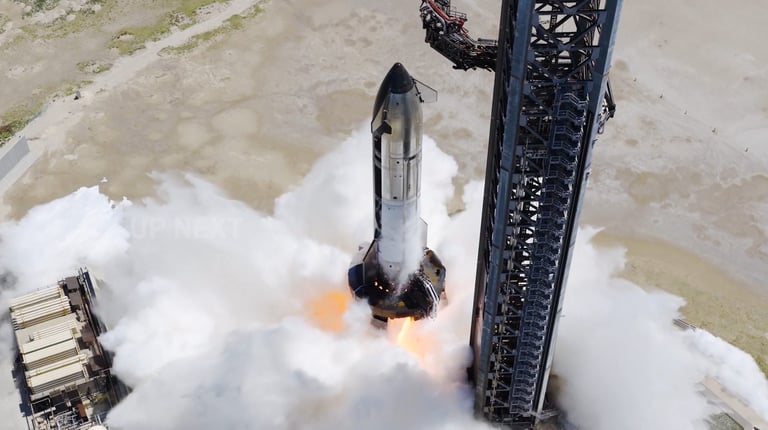


Booster 19 introduces a streamlined profile, upgraded grid fins, and Raptor 3 engines with a lighter design and refined hot-staging ring.
Tesla China delivered 625,698 vehicles in 2025, with Model 3 up about 13% to 200,361 and Model Y down roughly 11% to 425,337, amid policy conditions like a 5% NEV purchase tax and subsidies expiring mid-2026.
The broader SpaceX narrative emphasizes market position, milestones, and the competitive landscape shaping leadership in launch and space deployment.
Flight 12 follows Booster 18’s late-2025 loss, which delayed Block 3 but spurred faster Booster 19 production.
SpaceX targets a mid-March maiden flight of Starship V3, a larger, more powerful upgrade designed to accelerate Starlink deployment and broader ambitions in deep space.
V3 will enable in-orbit docking between Starship vehicles, a critical capability for long-range missions to the Moon and Mars in step with NASA’s plans to return astronauts to the lunar surface.
The plan requires FAA license adjustments and new environmental mitigations, with ground upgrades like a water-cooled flame deflector and enhanced deluge system to support booster recovery.
SpaceX has signaled a goal to reach Mars by the end of 2026, a target Elon Musk announced less than a year ago.
Regulatory progress includes an FCC telemetry license valid through mid-2026; FAA launch license changes are expected to be straightforward given SpaceX’s flight history.
2025 featured notable test setbacks, including a May atmospheric re-entry crash and a late-2025 Booster 18 failure during ground testing.
Tesla is hiring Body Fit Technicians in Austin for the Cybercab end-of-line, signaling an April 2026 production kickoff with a focus on precision fitment and cross-team collaboration.
Success will hinge on data from engine performance, stage separation, reentry heating, and docking interface validation to inform rapid redesigns for Starlink deployments and future NASA lunar missions.
Summary based on 10 sources
Get a daily email with more Tech stories
Sources

TechCrunch • Jan 26, 2026
SpaceX eyes mid-March for first test of upgraded Starship rocket
Gizmodo • Jan 26, 2026
We Finally Know When SpaceX Might Fly the Biggest Version of Starship Yet
TESLARATI • Jan 26, 2026
Tesla gives its biggest hint that Full Self-Driving in Europe is imminent
Futura-Sciences • Jan 25, 2026
Elon Musk promises a trip to Mars by 2026… but is Starship really ready?