Meta's Ray-Ban Smart Glasses Spark Privacy Concerns with AI Data Sharing Practices
March 3, 2026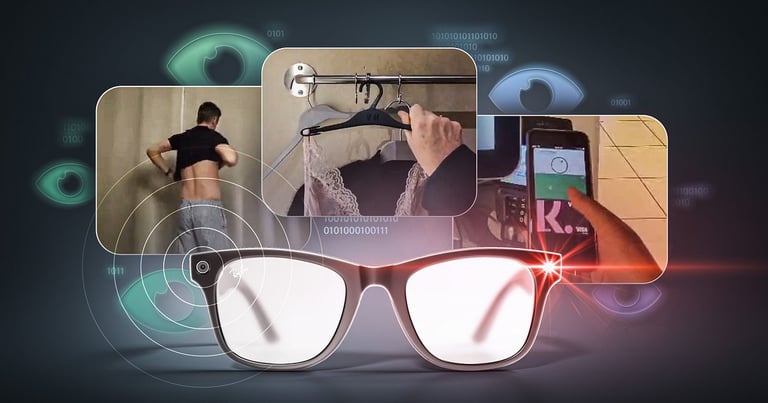

There is a lack of clarity on when footage is sent for review and what triggers it, with Meta’s terms offering vague guidance on automated versus manual reviews of interactions with AIs.
The reporting highlights potential GDPR implications from the cross-border transfer and processing of personal data for AI training, noting difficulties accessing Meta’s privacy policy for wearables.
Meta defends privacy safeguards like anonymization and NDAs, but reports suggest faces are sometimes visible and retention periods for voice clips or videos remain unclear.
Former Meta employees say sensitive data should not be sent for human review, highlighting potential gaps in data handling given the role of algorithmic detection.
Thousands of data annotators in Nairobi, employed by Sama, label and describe footage captured by the glasses to train Meta’s systems, exposing workers to highly sensitive content and prompting concerns about consent and workplace safety.
Privacy and transparency concerns persist around faces and bodies in training data, with questions about whether anonymization is sufficient and what legal basis exists for processing in Europe.
Network traffic analyses show frequent connections to servers in Nordic and European locations, indicating data transmission patterns without full detail.
There is no official Meta statement in the excerpt; the piece centers on workers’ claims and broader implications for privacy and consent in AI training data.
Meta’s Ray-Ban smart glasses rely on automated AI processing that can include video, and the data can be shared with third parties; users cannot disable this processing, raising serious privacy and consent questions.
Meta’s terms indicate that user interactions with AIs may be reviewed—either automatically or by humans—and that data could be stored or shared to improve AI systems, with limited information on storage duration.
Users are urged to avoid sharing sensitive information, but the terms imply that data processing and potential access by others remain a reality for live AI features.
Sponsor and podcast listings surrounding the core allegations limit the narrative and context available in the excerpt.
Summary based on 7 sources
Get a daily email with more Tech stories
Sources

9to5Mac • Mar 3, 2026
Meta Ray-Ban smart glasses send ‘sensitive’ videos to human data annotators

AppleInsider • Mar 3, 2026
What privacy? As expected, Meta Ray-Bans are a privacy disaster