Tesla's $25B Terafab AI Chip Project: A Bold Move Towards Chip Independence Amid Mixed Reactions
March 14, 2026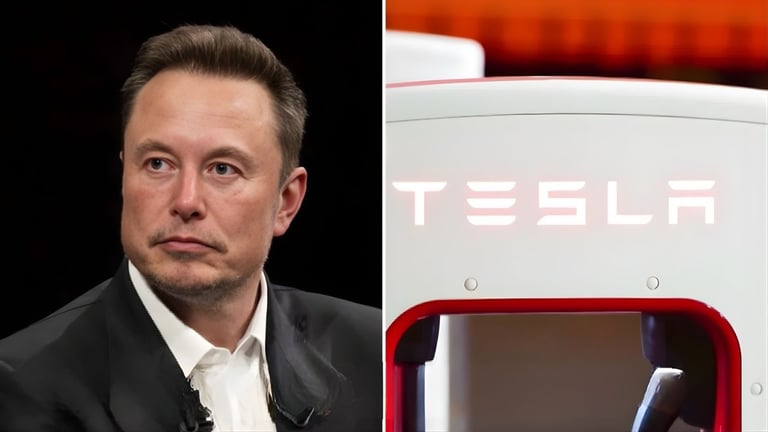


Tesla founder revealed that the Terafab AI chip project will launch in the near term, signaling a major push to expand domestic chip fabrication capacity and potentially collaborate with Intel while reaffirming ties with TSMC and Samsung for the AI5 chip used in autonomous driving.
Terafab is framed as a $25 billion, domestically built fab intended to produce 100–200 billion custom AI and memory chips annually, powering Optimus, Dojo/xAI, and FSD, thereby reducing reliance on external foundries.
The move fits a broader industry trend toward vertically integrated AI hardware to support large-scale models and enterprise AI deployments.
Public and market reactions are mixed, with optimism about supply-chain autonomy but skepticism about feasibility, financial risk, and execution timelines.
Analysts and investors voice excitement about self-sufficiency while warning about the high costs and rapid execution risks associated with a multi-billion-dollar fab project.
The debate centers on a roughly $25 billion capital outlay and whether the project can deliver on reduced dependency and faster time-to-market amid execution challenges.
Industry research highlights global demand drivers, pricing dynamics, supply factors, market concentration, and long-term forecasts through 2035, including production, imports/exports, and country profiles.
Geopolitical and social implications focus on reducing dependence on Asian foundries, potential shifts in technology policy, and broader effects on employment and international tech competition.
Dubai enacted Law No. 6 of 2026 establishing a three-tier system of administrative violations, penalties, and enforcement procedures, aiming to promote transparency and accountability.
The same law outlines permissible measures and publication rules for violations to create a framework for administrative governance.
Air India Group and IndiGo introduced phased fuel surcharges on domestic and international routes, including the UAE-India corridor, to offset higher aviation fuel costs driven by Middle East tensions.
The new surcharges are expected to affect ticket pricing on new bookings as airlines respond to volatile fuel prices.
Summary based on 45 sources
Get a daily email with more Tech stories
Sources
Yahoo Finance • Mar 14, 2026
Musk says Tesla's mega AI chip fab project to launch in seven days
The Times Of India • Mar 15, 2026
Tesla set to launch ‘Gigantic’ Chip fab project in seven says: Elon Musk

Investing.com • Mar 14, 2026
Musk says Tesla’s mega AI chip fab project to launch in seven days