US Withdraws AI Chip Export Rule, Boosting Nvidia; Policy Shift May Accelerate India's Tech Ambitions
March 14, 2026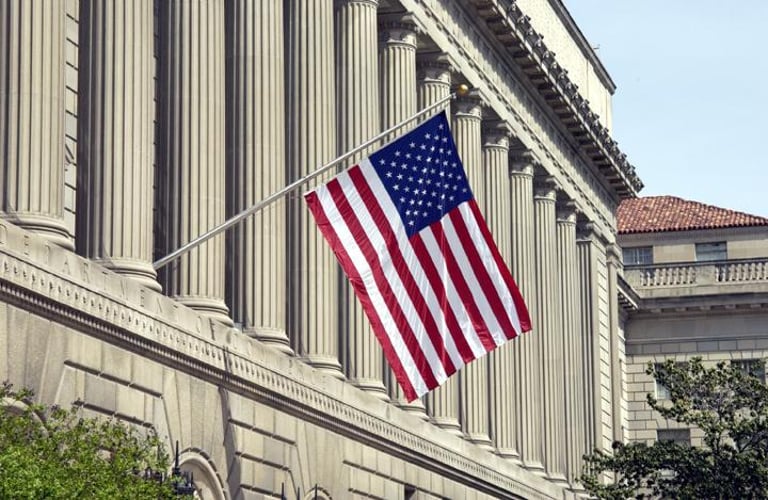


The draft regulation would have set conditional global access to AI semiconductor technology and had been under interagency review since late February.
Under the original plan, exports of more than 200,000 units would have required security assurances or investments in U.S. data centers from foreign governments.
The US Commerce Department withdrew its planned rule on exporting AI chips, marking a retreat from the Biden-era framework amid ongoing debates in the Trump administration.
Immediate market impact favors Nvidia as the biggest beneficiary, with AMD, Intel, and global foundries like TSMC and Samsung also standing to gain from more stable export rules.
The article includes risk disclosures and disclaimers from Fusion Media about data accuracy and liability, framing it within financial market reporting.
India-specific takeaway: the policy shift could accelerate India’s semiconductor ambitions through programs like the India Semiconductor Mission and investments by Tata Electronics and Vedanta Group, boosting tech hubs in Bengaluru, Hyderabad, and Noida.
Contextual details such as dates, agencies, and targeted export controls are implied and should be clarified in the full article for precise understanding.
There is emphasis on the regulatory development timeline and potential impact on suppliers and national security, though specifics of the rule are not detailed in the excerpt.
The proposed rule outlined a tiered licensing framework, with faster approvals for smaller deployments (e.g., up to 1,000 Nvidia GB300 GPUs) and stricter pre-authorization and on-site inspections for medium-scale deployments.
China-focused export restrictions remain unchanged, maintaining controls to curb its military and surveillance capabilities.
There have been signals of coordination with deals involving Saudi Arabia and the UAE, where investments in the U.S. were part of potential export considerations.
The draft reportedly would have required matching every dollar spent on domestic AI infrastructure with a dollar invested in U.S. infrastructure for exports to Saudi Arabia and the UAE, effectively raising the cost of deploying abroad.
Summary based on 24 sources
Get a daily email with more Tech stories
Sources


Economic Times • Mar 14, 2026
US Commerce Department withdraws planned rule on AI chip exports
Economic Times • Mar 14, 2026
US Commerce Department withdraws planned rule on AI chip exports, government website shows
Investing.com • Mar 13, 2026
US Commerce Department withdraws planned rule on AI chip exports, government website shows