Apple Silicon Revolution: M1 Chip Transforms Mac Performance with Unified Architecture
April 5, 2026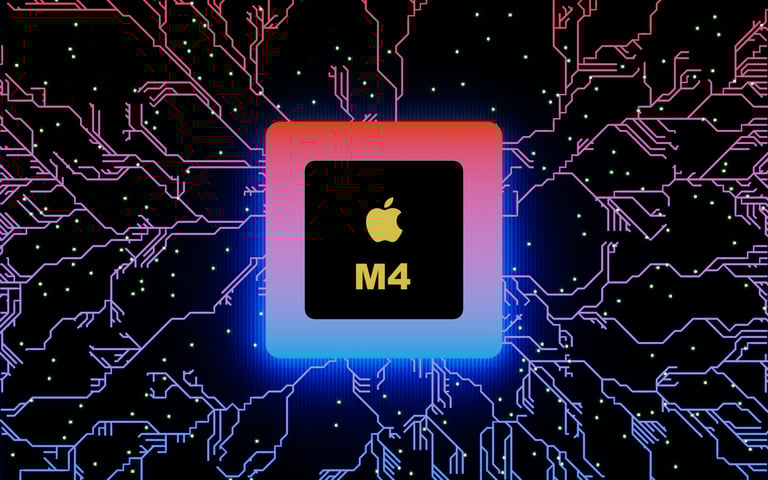

Apple Silicon on ARM Mac systems unifies CPU, GPU, memory, and Neural Engine on a single chip, delivering lower latency and higher efficiency through a shared memory pool.
The M1 introduced a unified memory architecture and system-on-a-chip design, boosting performance-per-watt and reducing latency compared with Intel-based Macs.
Rosetta 2 translates x86 instructions to ARM to run Intel-based apps on Apple silicon, with translation caching that improves performance as it learns over time.
Rosetta 2 remains a transitional bridge while native ARM versions mature, with ongoing development aimed at reducing reliance on translation and boosting performance.
Rosetta 2 was created to preserve software compatibility during the transition, easing disruption until native Apple Silicon apps become dominant.
Optimization tips include closing unnecessary background processes, freeing storage for caching, using hardware-accelerated apps, keeping macOS up to date, and tuning battery settings for balance between performance and longevity.
The M-series and Rosetta 2 are presented as central to a MacBook performance revolution, delivering faster speed, longer battery life, and better thermal control without losing portability.
ARM-based desktop viability shifted industry perception, affecting Intel’s premium notebook position and casting Apple as a pioneer in in-house semiconductor design.
The transition built on a decade of in-house silicon work starting with the A-series, culminating in the M1 as Apple’s first Mac Silicon processor in 2020.
The move yielded real gains in battery life, cooler operation, and the ability to design thinner, more capable devices without sacrificing sustained performance.
Intel delays and power-efficiency challenges—especially in thin notebooks—helped push Apple toward a unified, in-house System-on-Chip approach.
FAQs clarify Apple Silicon versus Intel, confirming Rosetta 2’s generally strong performance, noting the M4 is suitable for professional workloads, and guiding upgrades based on user needs and current device performance.
Summary based on 2 sources
Get a daily email with more Tech stories
Sources
AppleMagazine • Apr 5, 2026
Apple Intel Transition: From x86 to Apple Silicon Integration - AppleMagazine
Tech Times • Apr 3, 2026
Apple M-Series Chips Explained: MacBook Performance Revolution with Apple Silicon Power