Planet Labs Restricts Satellite Imagery Amid Middle East Conflict, Aligns with US Government Requests
April 5, 2026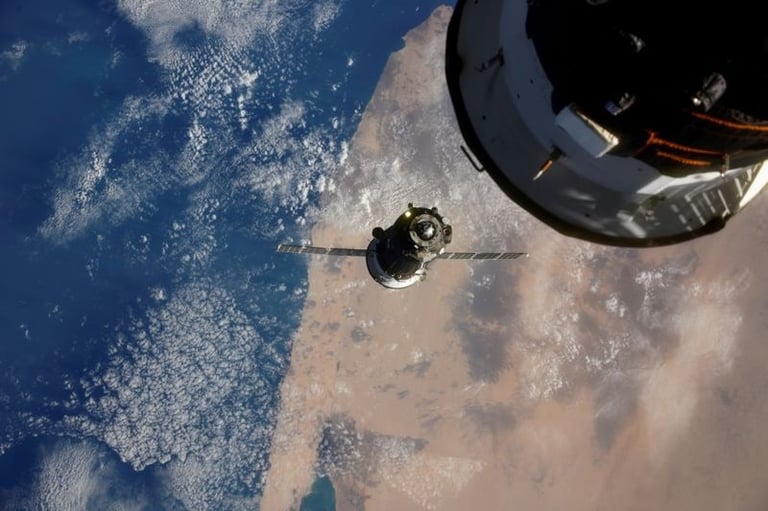

There are concerns about whether adversaries could access imagery via intermediaries, given the growing use of satellite data for news, research, and defense.
The move appears to be in response to official guidance or pressure from U.S. authorities, even though formal statements are not included.
Under the new model, all imagery from March 9 onward will be withheld, with access restricted for the duration of hostilities and released only in exceptional cases for urgent or public-interest purposes.
Planet Labs has moved to a 'managed distribution of images,' releasing imagery on a case-by-case basis only for urgent, mission-critical needs or public interest, extending a prior 14-day delay that began in March.
Planet describes this shift as part of a broader industry move as the conflict intensifies.
Planet Labs has an indefinite suspension of releasing imagery covering Iran and the broader Middle East at the explicit request of the U.S. government to protect operational security.
Overall, the article highlights a compliance action by a private satellite imagery provider in response to government requests, without detailing new ground events.
Vantor has also announced broad restrictions, signaling a wider industry reaction to the conflict.
The policy covers imagery dating back to March 9 and is expected to remain in place until the conflict ends, with the aim of preventing adversaries from using images to target the U.S. or its allies.
Planet Labs will indefinitely withhold imagery of Iran and the broader conflict region to align with U.S. government requests.
Other commercial providers have also tightened access during geopolitical conflicts, with competitors like Vantor noting enhanced controls in parts of the Middle East.
The company will temporarily stop releasing high-resolution images of war zones in the Middle East to comply with government guidance.
Summary based on 6 sources
Get a daily email with more Tech stories
Sources
Reuters • Apr 5, 2026
Satellite firm Planet Labs to indefinitely withhold Iran war images
Investing.com • Apr 5, 2026
Planet Labs halts Middle East satellite imagery at U.S. government request