World ID Expands to Tinder and Zoom, Raises Privacy Concerns Amid Biometric Verification Rollout
April 17, 2026

World's World ID, a biometric verification project, has expanded to Tinder and other major platforms worldwide, introducing a real-human badge to online dating profiles and broad consumer adoption.
Some analysts remain skeptical, citing security and governance concerns around verification and privacy in World ID.
The upgrade adds business-focused integrations, including Zoom with World ID to curb deepfakes in calls, and a DocuSign partnership to ensure signatures come from verified users, plus an agent-delegation feature letting a user authorize an agent to act on their World ID.
Beyond Tinder, the rollout includes partnerships with Concert Kit to counter ticket scalping, and collaborations with Razer, Mythical Games, and potential adoption by Reddit, signaling wide platform reach.
Analysts warn that regulatory scrutiny and data-privacy concerns could temper adoption, as the market remains cautious in a risk-averse climate that may favor established assets.
The outlook is mixed, with roughly a bullish 60% and bearish 40% depending on execution quality and robust data protections.
The article frames ongoing regulatory actions and past controversies surrounding World ID, illustrating the tension between its ambitions and privacy and regulatory norms.
FAQ and sources outline the upgrade, Altman’s involvement, investor considerations, safety concerns around biometric data, and broader implications for blockchain-based identity solutions.
The piece notes related cybersecurity risks tied to AI agents and identity security as the ecosystem expands.
Selfie Check emphasizes on-device processing to protect privacy, but concerns about spoofing and security persist.
Industry experts see potential to increase trust and enable real-world identity use cases, though privacy advocates warn about biometric data collection and security risks.
The initiative addresses the growing need to distinguish humans from AI agents amid AI proliferation, with emphasis on trust in online interactions.
Summary based on 15 sources
Get a daily email with more Tech stories
Sources

TechCrunch • Apr 17, 2026
Sam Altman’s project World looks to scale its human verification empire. First stop: Tinder.
Decrypt • Apr 17, 2026
Sam Altman's World Teams With Zoom, Tinder to Better Verify Humans in the AI Age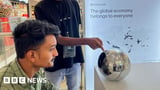
BBC News • Apr 17, 2026
Tinder and Zoom offer 'proof of humanity' eye-scans to combat AI
Slashdot • Apr 17, 2026
Gazing Into Sam Altman's Orb Could Solve Ticket Scalping - Slashdot