Facial Recognition Failures: Innocent Shoppers Misidentified in UK Retailer Watchlists
May 4, 2026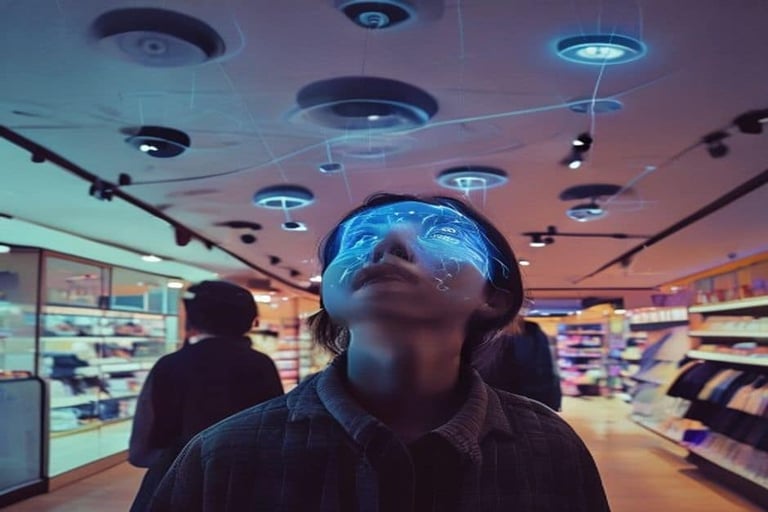


The system relies on shared watchlists across locations, which increases false positives as scale grows and affects individuals beyond statistics.
A Guardian investigation shows multiple people wrongly identified as shoplifters by Facewatch, a live facial recognition system used by UK retailers such as Home Bargains, B&M, Sports Direct, Farm Foods and Spar.
The Guardian also documents an accountability gap: innocent customers are flagged and face a slow, vendor-controlled appeals process with little timely recourse.
Experts emphasize that programmable accountability is essential risk management for startups, not just compliance, to withstand future regulatory scrutiny.
Regulatory frameworks like GDPR in the UK lag behind the technology, with subject access requests being difficult and often not yielding timely data removal or correction.
Facewatch’s leadership asserts errors are rare, the tech supports but does not replace human judgment, and issues are promptly addressed when raised.
Oversight bodies acknowledge harms of misidentification and note biased higher misidentification for Black and Asian individuals and women, but complaint mechanisms and accountability remain frustrating for stakeholders.
Other victims report public shaming and coercive removal, with limited proof of innocence or effective challenge, sometimes offered vouchers or online alternatives instead of real recourse.
People face barriers to recourse due to lack of direct contact with Facewatch, unhelpful support, and delays or gaps in formal complaints with bodies like the ICO.
The piece advocates proactive accountability design for developers, including a clear subject-access interface, reliable deletion pathways, auditable logs, and demographic-disaggregated accuracy monitoring to reveal bias.
There is scrutiny over deletion and data-access processes, highlighting a gap between claimed legal compliance and the lived experience of those seeking relief from erroneous identifications.
Liability is complex, with retailers, system providers, and data sources all involved, and court outcomes vary as responsibility for errors is untangled.
Summary based on 2 sources