Nvidia CEO Joins Tsinghua University Advisory Board Amid US-China Tech Tensions
May 28, 2026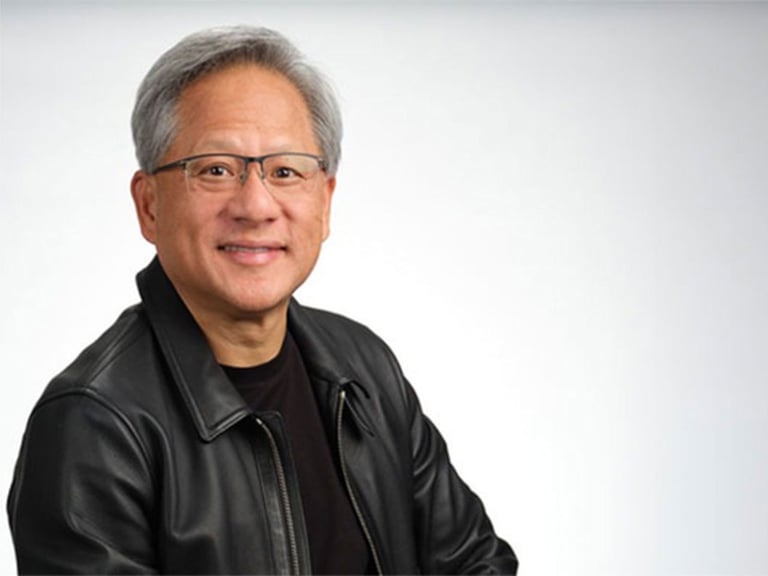

Overall, Nvidia remains a strong growth stock with solid fundamentals, but faces near‑term risks from insider selling and regulatory frictions in China that could affect performance.
Investors should view Nvidia’s approach as cautious diplomacy: maintaining China relationships to protect business while avoiding triggering home‑country regulatory crackdowns.
Nvidia CEO Jensen Huang has reportedly joined the advisory board of Tsinghua University’s School of Economics and Management in Beijing, a move framed as symbolic by observers and part of a broader US-China tech dialogue.
The board is chaired by Apple CEO Tim Cook and includes other tech and financial leaders, signaling high-level academic‑corporate engagement with China.
Huang’s appointment comes as Nvidia faces headwinds in China amid export controls that push the company to develop China‑specific chip variants while trying to preserve its market footprint.
China has been a major market for Nvidia, historically accounting for about one-fifth of revenue, but export restrictions have aided Chinese competitors in AI markets.
Investors may view the Beijing advisory role as a potential softening of cross‑border tech tensions that could aid talent recruitment, research collaboration, and longer‑term opportunities in China, though concrete benefits are unclear.
The situation highlights deep US‑China distrust in technology, shaping collaboration, supply chains, and strategic competition in AI and semiconductors.
Washington’s political response is uncertain, with some Republicans scrutinizing Huang’s Beijing ties and potential hearings anticipated later in the year.
U.S. national security commentary focuses on optics and regulatory compliance challenges for Nvidia’s export controls rather than direct sharing of sensitive technology.
Beijing has prioritized domestic chip development since late 2023, reducing dependence on Nvidia and other foreign suppliers.
Beijing’s broader strategy appears to be embedding influential global tech leaders in Chinese institutions to shape business and policy discussions toward engagement over decoupling.
Summary based on 11 sources
Get a daily email with more Tech stories
Sources
The Next Web • May 28, 2026
Jensen Huang joins the Tsinghua University advisory board chaired by Tim Cook
Crypto Briefing • May 28, 2026
Nvidia CEO Jensen Huang joins advisory board of Tsinghua University amid US-China chip tensions
Crypto Briefing • May 28, 2026
Nvidia chief Jensen Huang joins advisory board of Beijing university chaired by Tim Cook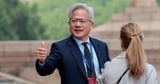
Crypto Briefing • May 28, 2026
Nvidia CEO Jensen Huang joins advisory board of Beijing’s Tsinghua University