German Court Holds Google Liable for AI Misinformation, Setting Precedent for AI Accountability
June 10, 2026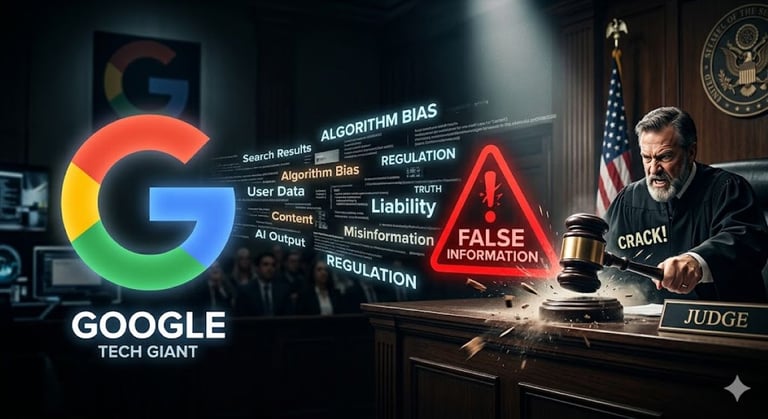


A German court ruled that Google is liable for false statements made by its AI Overviews, signaling potential liability for AI-generated content beyond traditional search results.
The ruling arose after an AI Overview wrongly linked two publishers to dubious business practices, with claims not supported by sources.
Google’s defense that users can verify information via source links was rejected; the court said AI Overviews are self-contained statements that don’t rely on readers checking linked sources.
The decision comes amid ongoing regulatory scrutiny, including Digital Services Act actions and UK CMA measures, which may influence EU approaches to AI liability.
A timeline outlines events from January to June 2026, including warnings, hearings, and expert analyses, with potential appeals and broader regulatory implications continuing.
The ruling fits a wider trend of increased scrutiny on Big Tech AI practices, aligning with antitrust concerns over use of publisher content without consent or compensation.
There is discussion about whether a similar ruling could occur in the United States, noting the high bar of defamation law and suggesting product liability as a possible path.
For investors and developers, the decision implies higher compliance costs and liability for misleading AI outputs, boosting demand for verification, human review, faster takedowns, and provenance tools.
Viewed as a milestone for AI and information presentation, the case could push tech firms to increase legal spending or improve product safeguards.
EU AI Act provisions do not override civil claims here; they provide additional avenues but do not eliminate personality-right remedies in this context.
The article frames this as part of a shift toward holding platforms accountable for algorithmically generated misinformation, affecting everyday users relying on AI summaries.
Cited statistics note billions of monthly AI Overview interactions and ongoing studies on factual accuracy and sourcing challenges.
Summary based on 12 sources
Get a daily email with more Tech stories
Sources
Ars Technica • Jun 10, 2026
Nobody needs AI to search the Internet, court says in ruling against Google
The Next Web • Jun 10, 2026
A German court says Google’s AI Overviews are Google’s own words, and it’s liable when they’re false
Slashdot • Jun 10, 2026
German Court Holds Google Liable For False AI Overview Answers - Slashdot