Kentucky Counties Clash Over Data Center Regulations Amid Environmental and Utility Concerns
June 14, 2026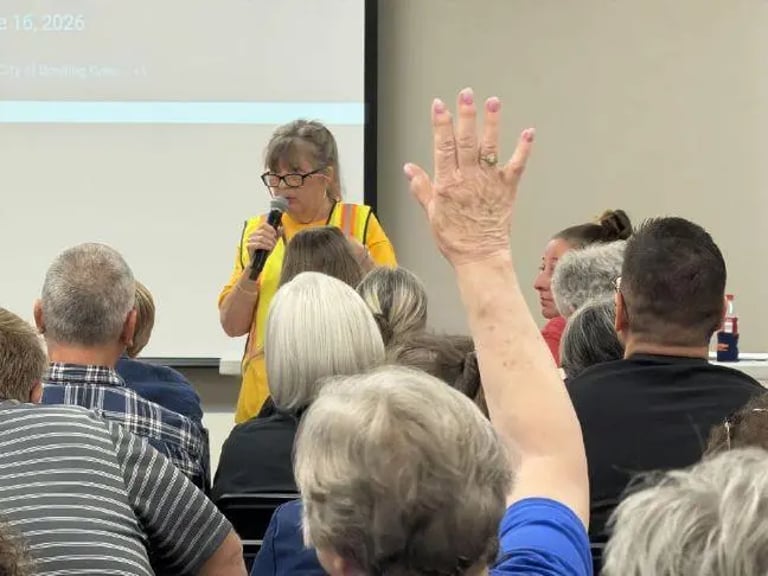

Officials say these regulations are meant to protect communities, and moratoriums could invite legal or planning challenges; planning commissions cannot choose site locations but can designate zones where centers may be built.
Local stakeholders cited concerns over noise, utility rates, environmental impacts, and energy demand, with many residents urging education and broader public engagement before any approvals.
Bowling Green also approved first-reading regulations aimed at restricting data center locations and enforcing environmental and utility standards, reiterating that planning commissions only designate zones, not select specific sites.
Officials and residents alike stress environmental, utility, and resource-use concerns, calling for ongoing citizen engagement and public education prior to approval.
Warren County’s first-reading rules require data centers to keep 500-foot setbacks from property lines and 1,500 feet from residences, use closed-loop cooling, bear utility costs, include a water-demand and closure plan, and meet specific aesthetic standards.
The Warren County package also mandates a comprehensive facility-management plan with a formal closure plan.
Several counties pursue moratoriums or face lawsuits related to proposed data centers, including Edmonson’s one-year pause, Allen’s two-year moratorium, and Cave City’s one-year halt along with related litigation, plus actions in Franklin and Butler and ongoing debates in Logan and other counties.
Moratoriums and planning gaps persist in the region, with zoning constraints and regulatory actions shaping how and where centers can be developed.
Industry and planning perspectives note that regulations can deter centers but cannot control precise site locations within zones, and utility-rate decisions generally lie outside local authority.
A regional debate over data centers intensified as Warren County and Bowling Green moved to regulate centers with first-reading approvals, while several neighboring counties considered or enacted moratoriums to study impacts.
Community groups like SOKY Indivisible organized discussions and protests to demand moratoriums and greater transparency from developers and officials.
Across Kentucky, local governments are advancing regulations and moratoriums on data centers as communities weigh environmental, utility, and quality-of-life implications.
Summary based on 2 sources
Get a daily email with more Tech stories
Sources

Bowling Green Daily News • Jun 13, 2026
Data centers spark discussion, debate
Bowling Green Daily News • Jun 14, 2026
Data centers spark discussion, debate