Android 17's Halo Revolutionizes AI with Secure On-Device Containerization for Agents
July 3, 2026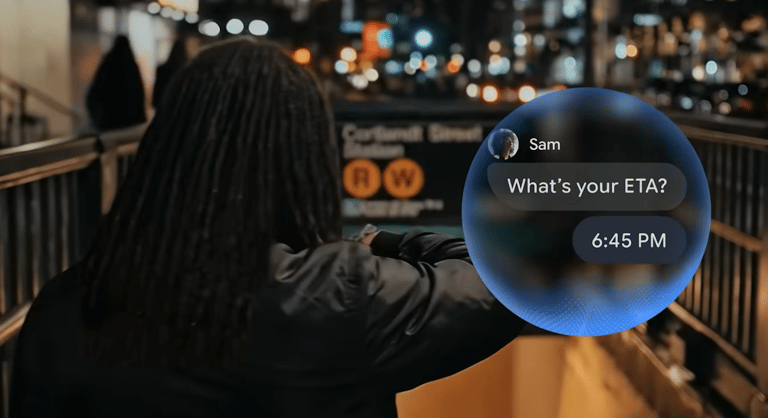

Android Halo marks a shift from app launching to infrastructure for AI-driven automation, with the status bar becoming the primary interface for long-running delegated tasks.
Android Halo runs each AI agent inside a containerized virtual window on device, preventing exit or access to data outside its assigned task environment; when idle, the container collapses to a status bar indicator that can be tapped to restore the window.
Halo will be included in Android 17, with an early version expected alongside the QPR1 update around August 2026, potentially shipping with Pixel 11 and expanding rollout later in 2026.
The specific OS-level isolation mechanism—whether it uses Landlock, seccomp, or microVMs—has not been publicly disclosed or independently audited as of publication.
Halo is open to third‑party agents beyond Gemini, positioning it as platform infrastructure for agentic AI on Android rather than a Gemini-exclusive feature.
Halo supports user input through follow-ups and progress updates and aims to minimize disruption by avoiding full-screen interruptions while tasks run in the background.
The architecture enforces a strict boundary rather than relying on user-facing policies, reducing risks from misconfiguration or prompt injection by confining the agent to its task window.
The on-device container approach contrasts with Gemini Spark on desktop, which uses cloud-based ephemeral VMs; Halo keeps data local to the device and does not persist across sessions, while Spark routes traffic through an Agent Gateway with data loss prevention policies.
Summary based on 1 source
Get a daily email with more Tech stories
Source

Tech Times • Jul 3, 2026
Android Halo Locks Each AI Agent in Its Own Container in the Status Bar