OpenExecutive: AI-Powered Leadership Tool Blurs Lines Between Satire and Strategic Insight
September 2, 2026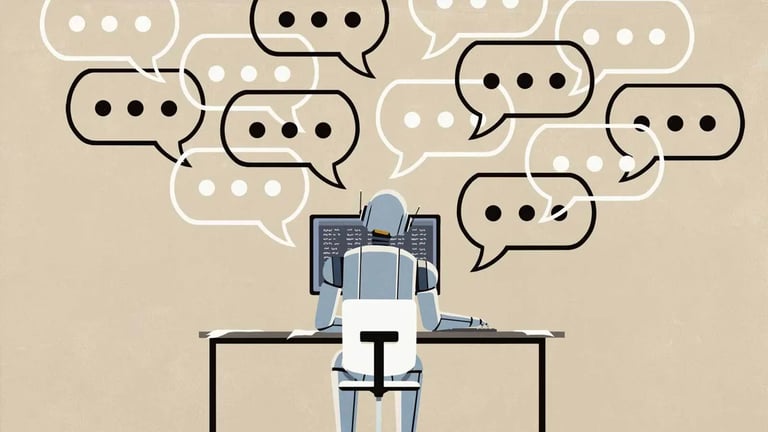

OpenExecutive is framed as a tongue-in-cheek advisory tool that augments human leadership rather than replacing it, since it cannot sign documents or hold legal weight.
The system targets smaller businesses for organizational guidance on growth, while acknowledging AI’s limits in fully capturing human nuance and judgment in leadership decisions.
Users could leverage OpenExecutive to anticipate or influence future management decisions, but its nuanced handling of leadership remains constrained by AI limits.
The report notes Myles Garrett’s standout season, including a single-season NFL sacks record and a Defensive Player of the Year award with the Browns.
Pricing shows the software itself is free under Apache 2.0, with metered Claude usage in-region through Anthropic, varying by account and provider.
Garrett did not practice on Tuesday due to knee swelling and has missed most of the Browns’ training camp.
Garrett crediting his teammates and the defense, saying the unit and coaching staff will ease his workload and improve performance.
OpenExecutive debuted on June 30, 2026, under Apache 2.0, including a knowledge-retrieval system and tools to connect the virtual executive to workplace platforms.
The platform uses Anthropic’s Claude models by default and routes requests through an executive agent to specialists, effectively functioning as a C-suite group chat.
A viral narrative claims developers laid off during AI transformations created OpenExecutive in retaliation, though this is unverified and the involved parties are not identified.
OpenExecutive is built on Claude AI models, primarily Sonnet 4.6 with Opus 4.7 for deeper reasoning, released under Apache 2.0 to enable broad use and modification.
OpenExecutive ingests company documents, remembers decisions, and provides traceable reasoning for its actions and recommendations.
Summary based on 9 sources
Get a daily email with more Tech stories
Sources

PCMag UK • Sep 2, 2026
Laid-Off Developers Create AI Model to Replace CEOs and Other Executives
PCMag • Sep 2, 2026
Laid-Off Developers Create AI Model to Replace CEOs and Other Executives