OpenAI and Pentagon Deny Controversial Clause in Military AI Contract Amidst FOIA Battle
September 8, 2026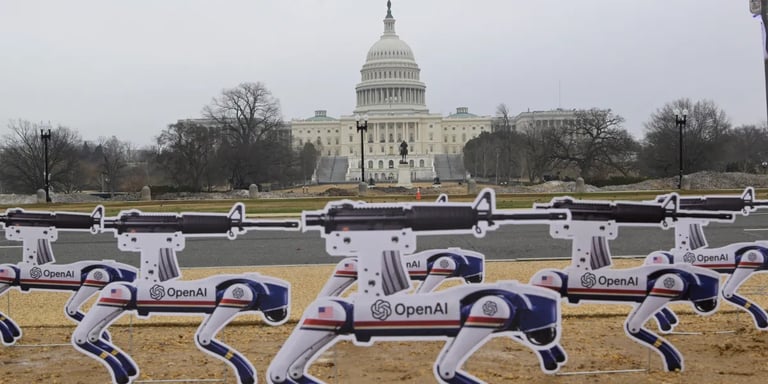

OpenAI and the Pentagon dispute claims that a so‑called minimal-refusal‑rates clause exists in the executed contract, saying the language appeared only in a draft and not in the final agreement, while The Intercept reports ongoing FOIA litigation to obtain final contract documents.
Both sides reiterate that the finalized contract does not include the minimal-refusal‑rates language, noting the released version was a draft rather than the binding agreement.
Modification P00003 covers a period from mid‑June 2025 to mid‑June 2027, increases funding by a nominal amount, and sets an overall ceiling of up to $200 million for the prototype initiative, with monthly payment milestones.
The released text lists eight prototype tasks, including identifying defense use cases for frontier AI, policy prototyping, risk forecasting, industry information sharing, and hands‑on prototyping in intelligence, cybersecurity, and autonomous systems, plus deploying a ChatGPT Gov app on GenAI.mil at Impact Level 5.
OpenAI’s stance emphasizes three red lines—no mass domestic surveillance, no autonomous weapons without human oversight, and no high‑stakes automated decisions—while the deployment remains cloud‑based with safety controls; a March 2026 update adds a domestic‑surveillance restriction and notes NSA‑level data would require a new agreement.
A leaked Defense Department modification defines OpenAI Mission Models as for national security use cases with minimal refusal rates, applicable to testing and refinement under Task 7 of the Frontier AI Model Prototype effort.
The clause appears in an updated P00003 contract version tied to a potential $200 million, two‑year deal expanding OpenAI’s wartime mission model work for national security purposes.
Experts warn that minimal refusal language could indicate relaxed safeguards, sparking concerns about private sector influence on warfare policy and weakened safety constraints for national security use.
OpenAI signed a February agreement allowing its services on the DoD’s classified networks, though the current contract text is redacted in the latest deployment update.
OpenAI says it secured red lines on autonomous killings and spying on Americans, yet contract language may still permit government‑approved uses under the current framework.
Modification P00004, effective February 27, 2026, renames the task to Testing, Evaluation, and Refinement of ChatGPT Mission Models and redacts full details, leaving uncertainty about whether the minimal‑refusal‑rates language remains.
The dispute touches broader debates with rivals like Anthropic, Google, and xAI over safeguards, autonomy, and surveillance implications in military deployments.
Summary based on 2 sources
Get a daily email with more Tech stories
Sources

The Intercept • Sep 8, 2026
The Pentagon Asked OpenAI for Artificial Intelligence Designed to Rarely Say No
Unite.AI • Sep 8, 2026
OpenAI Pentagon Contract Defines ‘Mission Models’ by Minimal Refusal Rates