Quantum Workforce Expands from K-12 to Colleges, Boosting Economic Growth and Job Creation
September 28, 2026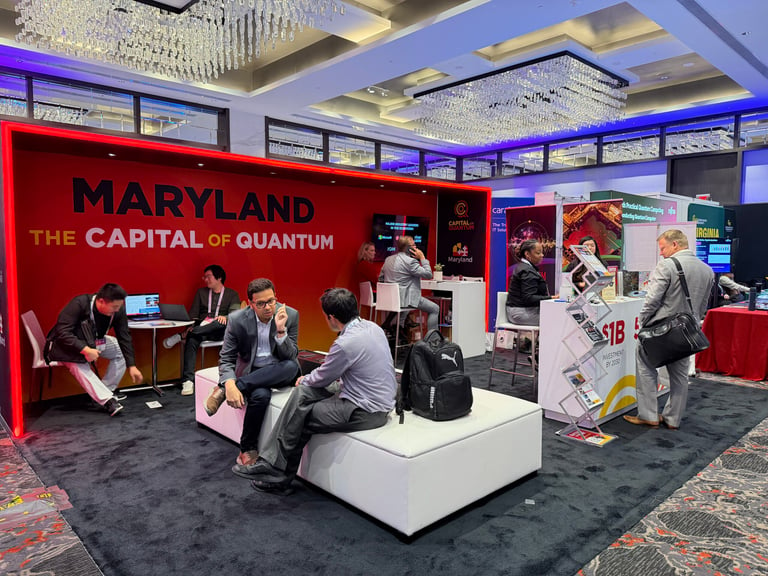

Workforce development for quantum spans K-12 to community colleges, with programs expanding technician training, integrating quantum topics into non-traditional degree paths, and high schools hosting quantum computers for student use.
Early, accessible quantum education and cross-disciplinary training are crucial to build a scalable quantum workforce and deliver broad economic benefits.
Quantum companies are widening recruitment beyond academia to include hands-on workers from diverse fields, highlighting transferable skills like steady hands and attention to detail.
Industry leaders say many firms avoid explicit quantum in job listings to not deter applicants, and advocate teaching quantum concepts across existing degrees rather than creating standalone master’s programs.
At the Quantum World Congress, participants emphasize that a wide range of skills and degrees qualify someone for quantum industry roles, not just PhDs.
Programs highlighted include Northern Virginia Community College expanding technician training to include quantum, Fairfax County’s plan to run a high school with a quantum computer, and Quantinuum’s Albuquerque R&D facility benefiting from state salary reimbursements for new hires.
Global quantum investment surged in 2025 to $12.7 billion, up 310% from the prior year, with Maryland aiming for $1 billion in quantum spending by 2030 and IonQ establishing its global HQ at the University of Maryland in a $200 million project.
Investments in quantum infrastructure are expected to boost local economies through construction, business activity, and job creation, as noted by Maryland state officials and economic leaders.
Summary based on 1 source
Get a daily email with more Tech stories
Source

Technical.ly • Sep 28, 2026
How nail techs and Etsy crafters fit into the quantum workforce