AdaniConneX and Google Plan Eco-Friendly Data Centers in Vizag Amid Environmental Concerns
October 17, 2026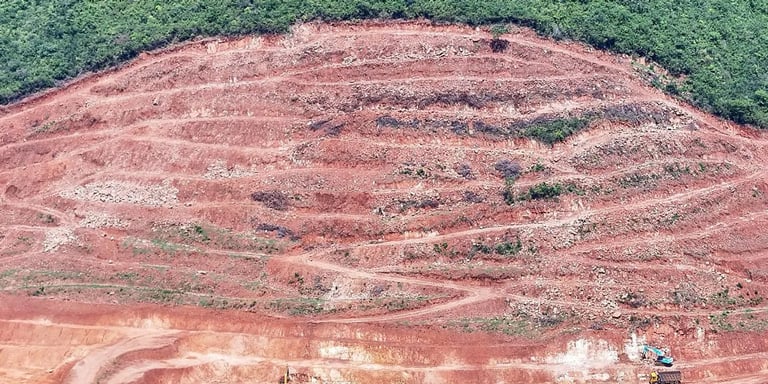

AdaniConneX, in partnership with Google, plans data centre campuses in Visakhapatnam that will use air-cooled systems to minimize freshwater use, spanning three sites with total water consumption capped at less than the volume of an Olympic-sized swimming pool.
The project near Mudasarlova Reservoir and the Kambalakonda Wildlife Sanctuary has raised environmental concerns about impacts to local water resources and ecosystems.
Facilities will connect to dedicated industrial water supplies and operate a zero-discharge policy for domestic wastewater, with onsite treatment and reuse for landscaping and flushing and no discharge into Mudasarlova Reservoir.
The coverage advocates a strategic roadmap to address roadblocks in advance and to build public trust through transparent communication about environmental, social, and economic impacts.
Risks include distinguishing announced investments from completed projects; profitability hinges on occupancy, pricing, financing, and efficiency, with policy and resource constraints potentially altering outcomes.
The National Green Tribunal has listed the matter for further hearing on October 26, 2026; no final ruling or halt on construction yet, with government input still required.
Overall, while the DC boom could deliver economic and digital benefits, it must be pursued with careful planning to mitigate environmental and social risks.
For businesses, the push creates capacity benefits for tech companies, operators, and suppliers, while domestic firms must develop competencies, sourcing, training, and a skilled workforce.
The outcome may clarify whether the environmental approval process complied with regulations and whether project conditions should be altered, upheld, or canceled.
States are competing to attract investment with incentives such as power subsidies, land concessions, tax holidays, renewable energy mandates, and single-window clearances, with Gujarat and Uttar Pradesh launching dedicated DC policies for 2026–29 and 2026 respectively.
Real estate and construction impacts include location-driven opportunities for developers and contractors, with mixed employment effects and significant temporary activity across major cities.
Current capacity around 2.2 GW in 2025 is expected to grow to about 12 GW by 2030, contingent on investment execution, demand, and infrastructure.
Summary based on 14 sources
Get a daily email with more Tech stories
Sources

Business News This Week • Oct 17, 2026
India’s Data Centre Boom: Who Benefits From the Race to Build Digital Infrastructure
Hindustan Times • Oct 17, 2026
Is India’s data centre boom at a crossroads? | Hindustan Times
indianmasterminds • Oct 17, 2026
Why The ₹17,700 Crore Google-Adani Vizag Data Centre Is Facing NGT Scrutiny
Business Standard • Oct 18, 2026
AdaniConneX's Vizag data centres to use air cooling, limit freshwater use