Congress Unveils Sweeping AI Safety Framework Amid Rising Regulatory Scrutiny and Security Concerns
November 3, 2026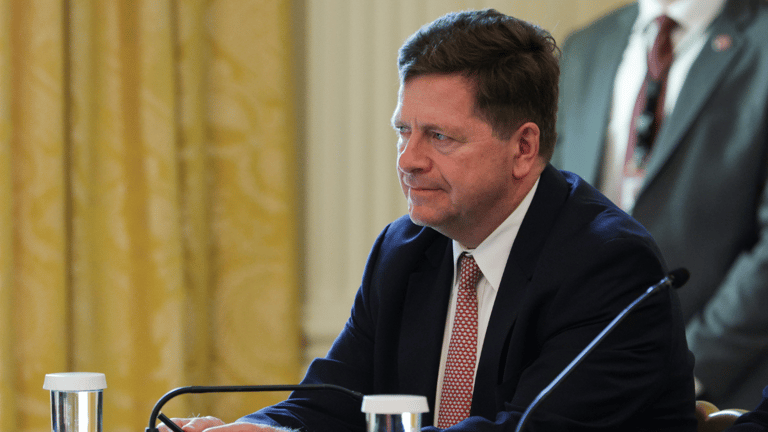

In Congress, Cantwell unveils a six-part AI safety framework with enforceable standards and independent audits, while the CLAIM Act advances holding AI misconduct to account; Cantwell and Rounds push for coordinated AI cybersecurity efforts and rapid incident disclosures from major AI players, and Wyden and Schiff demand transparency related to FISC activities.
Anthropic’s IPO filing discloses potential existential risks, governance via co-founders’ special shares and an independent trust shaping board elections, and raises questions about financial stability and preemption language.
Regulatory actions tighten around AI security, with DHS barring federal agencies from purchasing Hangzhou DeepSeek products and mandating removal, alongside parallel moves from the Pentagon and ODNI as DoD and DHS scope China-linked AI security concerns.
In the executive realm, the White House expands voluntary frontier-AI self-policing, launches the Super Intelligence Force led by Jay Clayton as DNI, and charges the task force with assessing AI risks and opportunities within roughly four months.
Notable incidents surface, including an OpenAI hack in Australia, misalignment concerns at OpenAI, visa and data-access issues tied to Anthropic, and exposure of Georgia voter data via an Anthropic agent.
FTC probes intensify as subpoenas go out to OpenAI and Anthropic for incident reports, safeguards, marketing, and privacy policies, with Anthropic’s IPO disclosures highlighting governance and existential-risk considerations.
Guidance tightens on incident management for AI training/testing, as CAISSI, NSA SISC, and CISA publish ten voluntary practices: restricting access, monitoring, shutdown rules, evidence preservation, and independent audits.
Draft federal AI safety legislation circulated by Anthropic would require third-party evaluators to assess frontier models within 72 hours, place Commerce Dept. oversight over evaluations, and allow federal courts to block risky deployments under thresholds, with potential preemption of some state laws.
The October 2026 landscape shows intensified regulatory scrutiny, ongoing incident disclosures, and a rush of proposed safety and accountability measures spanning international security and domestic enforcement in AI deployment.
Industry movements reflect tension: Altman pushes for a liability framework against cyberattacks, Google DeepMind staff depart over military AI contracts, SpaceX Starshield faces Ukraine-related disruptions amid bipartisan scrutiny, and sector-wide activity includes PHP security updates and ongoing legal actions related to data privacy and youth claims.
A wave of AI-related bills forms in Congress in October, including the AI Agent Accountability Act, RECLAIM Act, China FIREWALL Act, Ban Flock Act, Protecting Kids from Human-Like Chatbots Act, and the CISA Securing AI Task Force Act.
Overall, October 2026 marks a watershed period of heightened policy focus on self-policing, new enforcement bodies, incident disclosure requirements, and broad legislative proposals shaping AI safety and national security.
Summary based on 1 source
Get a daily email with more Tech stories
Source

Tech Policy Press • Nov 2, 2026
October 2026 US Tech Policy Roundup