Nvidia’s China Chip Sales Face Bipartisan Scrutiny Over U.S. Security Risks
November 25, 2026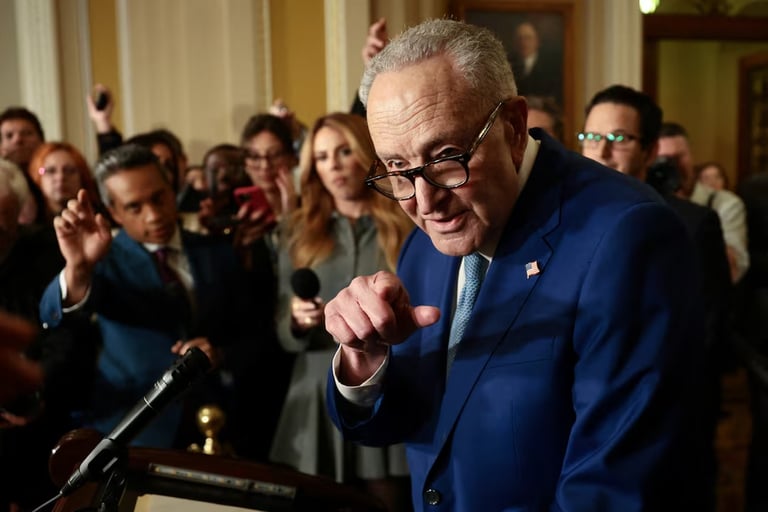

Nvidia’s sales of advanced chips to China have drawn bipartisan scrutiny, with lawmakers questioning whether the exports could threaten U.S. national security and calling for tighter controls.
The concern is that access to Nvidia chips could speed China’s technological and military ambitions, affecting the United States and allies including Australia, Japan, the Philippines and Taiwan.
Lawmakers and analysts warn that advanced chips could support China’s military modernization, cyber operations, espionage and the development of more powerful AI models.
The scrutiny includes allegations that Singapore-based Megaspeed bought more than $4.8 billion in Nvidia AI chips since June 2024 and erased transaction records, as U.S. authorities investigated suspected diversion through Southeast Asian intermediaries; Nvidia denies wrongdoing and says it stopped supplying Megaspeed in June 2025, though later reports disputed that account.
Nvidia remains under Justice Department investigation over export controls, while Trump has urged Jensen Huang to tell the truth in congressional testimony and continue the company’s internal compliance review.
Huang is scheduled to attend a closed-door briefing with three House committees on December 1 and testify publicly before the Senate Banking Committee on December 3.
Top Democrats on four House committees—Frank Pallone, Gregory Meeks, Jamie Raskin and Robert Garcia—have asked Trump what he knew about Huang’s alleged relationship with a woman suspected of being a Chinese government agent and sought records of administration communications with Nvidia’s board.
Chuck Schumer accused Huang of violating U.S. export-control laws by sending highly advanced chips to China, comparing the alleged conduct to selling rocket engines to the Soviet Union during the space race.
Republican lawmakers have also pressed for stronger safeguards: Pat Harrigan called Huang’s reinstatement a dangerous precedent, while Kevin Cramer and Dave McCormick urged tighter export controls.
Trump said he pressured Nvidia’s board to reinstate Huang and believed it would not have done so without his intervention; he also said he would consider pardoning Huang if necessary, praised Nvidia’s importance to U.S. AI competitiveness and left open the possibility of a government equity stake.
The article says Huang stepped down on November 12 after reports of extramarital relationships, including an alleged relationship with a suspected Chinese spy employed by Megaspeed, before Nvidia’s board reinstated him with Trump’s support.
The analysis urges Australia to examine whether technology companies are supporting China’s military-industrial ecosystem through dual-use sales or research, and considers excluding suppliers from AUKUS or restricting their dealings with China when their technology is essential to the partnership.
Summary based on 7 sources
Get a daily email with more Tech stories
Sources
Yahoo! Finance • Nov 24, 2026
Schumer accuses Nvidia CEO of violating US export control law
Slashdot • Nov 25, 2026
Is Nvidia's Legal Trouble Over - Or Just Beginning? - Slashdot
The Strategist • Nov 25, 2026
American scandal: Nvidia chips away at our national security
Hudson Institute • Nov 24, 2026
The Death of Logic and Sanity in Silicon Valley