Japan’s Data Center Boom Sparks Resident Backlash Over Noise, Safety and Zoning
November 26, 2026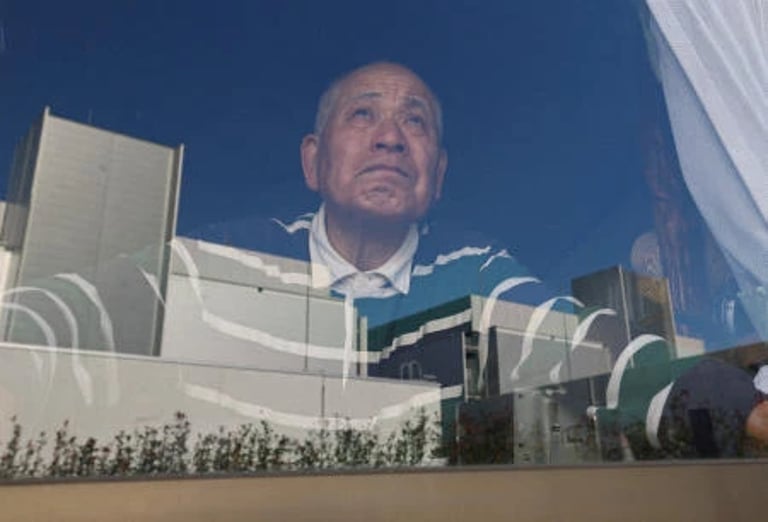

Japan’s data-center boom is drawing growing opposition from residents, particularly around Tokyo, where roughly 60% of the country’s facilities are located.
The growth has been fueled by relatively loose regulation and political stability; JLL projects the market will expand from $23.4 billion in 2024 to $33.4 billion by 2030, averaging 6.7% annual growth.
In Koto, residents are asking Tokyo to establish binding rules on noise, heat, fuel safety and siting for a planned 51-meter Empyrion Digital facility slated for completion in 2029.
One resident says her apartment is just 3.7 meters from the facility and fears the risks of storing 1.2 million liters of heavy oil underground at a flood-prone site in an area with high earthquake risk; Empyrion’s consultant says the site was chosen after reviewing regulatory compliance, infrastructure and environmental impact.
In Kashiwa, two 31-meter data centers owned by PAG have replaced a grassy field beside Susumu Goto’s home, and monthly generator tests have brought noise, hot air, black smoke and fuel odors.
The tests ran for about 110 hours over two months, and two more data centers are planned nearby; Goto says his request to move underground fuel tanks farther from homes was unsuccessful.
PAG says it considers community and environmental impacts and consults local leaders before construction, and that it holds monthly resident meetings, installed noise barriers and limited testing hours.
In Inzai, Junichi Takeda and other residents are suing the city and building-certification company Japan ERI over approval of a planned 32-megawatt Colt Data Centre Services facility 11 meters from Takeda’s apartment.
The residents argue the project was improperly classified as an office rather than a factory or warehouse, and the case could shape whether courts address a zoning loophole used to build data centers in residential areas; the city and Japan ERI declined to comment because the litigation is ongoing.
With residents challenging projects on safety, disruption and zoning grounds, the government is preparing an action plan, while industry and local governments have issued best-practice guidelines.
Summary based on 11 sources
Get a daily email with more Tech stories
Sources
Economic Times • Nov 26, 2026
Japan's data centre boom faces growing revolt from urban residents
The Hindu • Nov 26, 2026
Japan's data centre boom faces growing revolt from urban residents
The Asahi Shimbun • Nov 26, 2026
Japan’s data center boom faces growing revolt from urban residents | The Asahi Shimbun: Breaking News, Japan News and Analysis
The Straits Times • Nov 26, 2026
Japan’s data-centre boom faces growing revolt from urban residents