UK Food Prices Surge 2.6% Amid Rising Costs and Employment Bill Concerns
April 29, 2025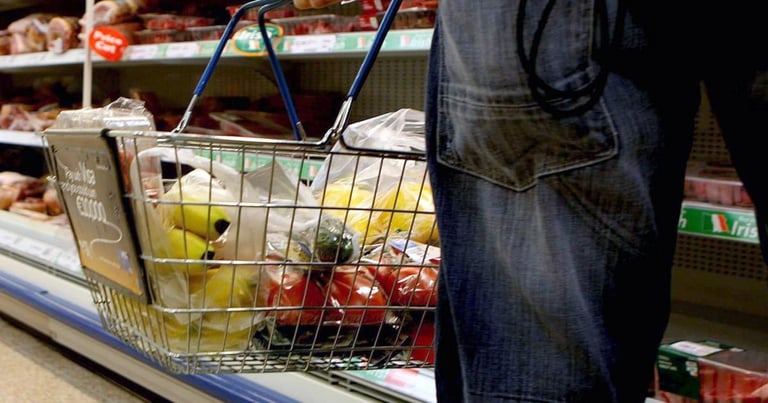


Retailers are grappling with a total of £5 billion in new employment costs, alongside an additional £2 billion from a packaging tax set to take effect in October.
The prices of everyday essentials, including bread, meat, and fish, have surged due to rising employment costs linked to increased National Insurance Contributions and the National Living Wage.
A separate BRC survey indicates that more than half of HR directors expect to reduce hiring in light of the forthcoming Employment Rights Bill, which aims to bolster worker protections.
Despite cautious consumer spending, the recent late Easter holiday is anticipated to have positively influenced sales in April, although consumers are likely to remain careful with discretionary spending.
Mike Watkins from NielsenIQ noted that while shop price inflation is lower than last year, prices are gradually rising across supply chains, prompting retailers to seek mitigation strategies.
As of April 2025, food prices have risen by 2.6% compared to the previous year, marking an increase from 2.4% in March, according to the British Retail Consortium (BRC)-NIQ Shop Price Index.
The Bank of England (BoE) is closely monitoring the impact of these increased employer tax burdens on retail prices and inflation, which is projected to rise to approximately 3.7% later in 2025, nearly double the BoE's target of 2%.
The Employment Rights Bill, currently under parliamentary debate, proposes guaranteed minimum hours, enhanced protections against dismissal, and increased sick pay.
BRC Chief Executive Helen Dickinson has stressed the necessity for careful implementation of the Employment Rights Bill to prevent further cost pressures that could result in higher prices and job losses.
Tesco, the UK's largest grocery chain, has indicated that a price war is intensifying among supermarkets, projecting a potential £400 million reduction in profits next year due to increased market competition.
Overall shop prices have seen a slight decline of 0.1% over the past year, an improvement from a 0.4% decline recorded in March.
The BRC forecasts that food inflation could escalate to 4% in the latter half of 2025, driven by geopolitical tensions and a £7 billion increase in costs from the autumn Budget.
Summary based on 5 sources
Get a daily email with more Macroeconomics stories
Sources

Investing.com • Apr 28, 2025
UK food inflation highest in 11 months, likely to rise further, BRC says
Oxford Mail • Apr 29, 2025
Food inflation rises to highest point in 11 months
Reading Chronicle • Apr 29, 2025
Food inflation rises to highest point in 11 months
Malvern Gazette • Apr 29, 2025
Food inflation rises to highest point in 11 months