South East Water Faces £22M Fine Amid Leadership Scrutiny and Customer Outrage Over Water Outages
April 14, 2026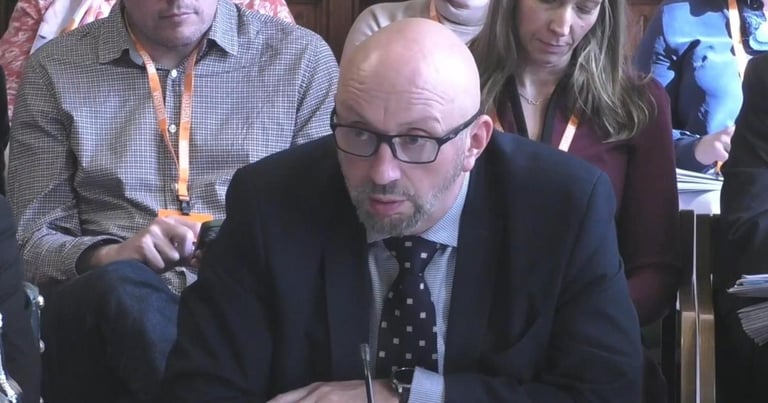

South East Water chairman Chris Train acknowledged the company failed to deliver water as a basic objective and said leadership would stay with the current executive team, while also noting external hires to broaden leadership.
Public confidence has slumped after the December outages, with surveys showing Tunbridge Wells residents stockpiling water and many relying on bottled water.
CEO David Hinton’s remuneration for last year totalled 457,000 pounds, including a 115,000-pound bonus, and reports suggest a 30% uplift in base salary for the current year.
Hinton apologized to customers, accepted that outages were foreseeable, and aligned with the regulator’s findings as the company acknowledged its failings.
Context includes the January outage, its severity, and broader industry concerns about water infrastructure resilience and customer trust.
Hinton conceded that some warnings in early November were foreseeable and that SEW should have reacted faster, marking a shift from earlier testimony about accountability.
Hinton surrendered any potential bonus for the year amid scrutiny from MPs and the Prime Minister, coinciding with Ofwat’s planned 22 million-pound fine for failures affecting hundreds of thousands.
Delivery of bottled water to vulnerable customers was substantial but flawed, with thousands served and around 70 deliveries missed, a serious shortfall cited by MPs.
Hinton admitted he got it wrong handling the Kent and Sussex outages, apologized in Parliament, and agreed to forgo a performance bonus for the 2025/2026 year as lessons were learned.
Ofwat indicated progress since the outages but warned time will tell if changes are enough, while signaling continued regulatory engagement and a major proposed fine for 2020–2023 failures.
Outages in Kent and Sussex disrupted drinking water, bathing, flushing, and even schools, with MPs scrutinizing the crisis across Tunbridge Wells and broader January disruptions.
Hinton and SEW faced criticism for slow problem-solving and communication, leading to the creation of a crisis communications playbook with external help and a review of maintenance practices.
Summary based on 7 sources
Get a daily email with more World News stories
Sources

The Guardian • Apr 14, 2026
South East Water chief executive to forgo his bonus over ‘unacceptable outages’
Daily Mirror • Apr 14, 2026
South East Water boss admits 'I got it wrong' in handling of supply outages
Evening Standard • Apr 14, 2026
South East Water boss tells MPs he ‘got it wrong’ in handling outages
Lancashire Telegraph • Apr 14, 2026
South East Water chief to forgo bonus following Kent and Sussex water outages