Pharmacy Crisis: Medicine Shortages Threaten Patient Care Across England
July 5, 2026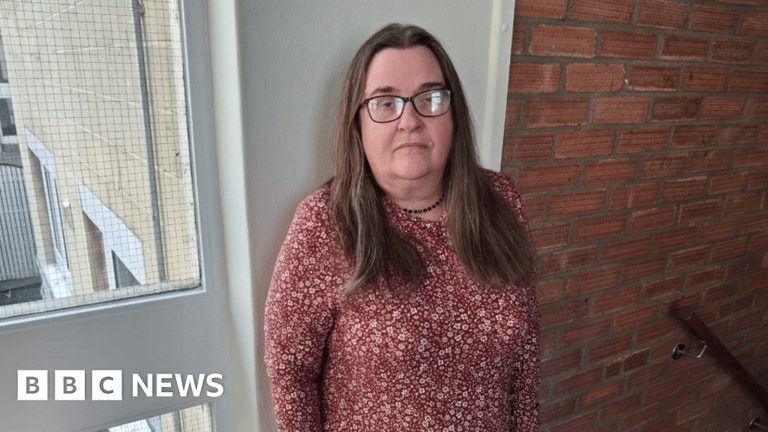


Community pharmacies face operational strain as staff spend substantial time tracking shortages and advising patients, leaving less time for direct care.
Creon, insulin, ADHD medications, and blood pressure drugs are among the medicines most affected, with dosing and availability forcing patients to use alternatives or adjust regimens.
In addition to Creon and insulin, hormone replacement therapy and ADHD meds are reported as frequently changing, with patients often needing to switch pharmacies or adjust doses monthly.
Stakeholders are pushing for policy changes, including permitting minor prescription amendments and offering therapeutic alternatives during shortages to minimize patient harm.
Pharmacists report that locating medicines takes more time, and they warn shortages erode patient confidence and disrupt treatment continuity.
Pharmacists describe a national NHS medicine supply crisis, with more than 1,500 shortages in England from May 2024 to April 2025, affecting essential medicines like Creon, insulin, ADHD medications, and blood pressure drugs.
The shortages are creating nationwide anxiety and disrupting access to vital medicines across England.
The period of May 2024 to April 2025 saw over 1,500 medicine shortages reported in England, illustrating the scale of the issue.
The Department of Health and Social Care says it is investing to strengthen the medicine manufacturing sector and is considering allowing minor prescription amendments at pharmacies to improve access during shortages.
Patients like Pearl Butler and Karen Andrews describe real-world consequences such as weeks without medications, increased seizures and tremors, and dosing and digestion challenges due to inconsistent Creon supply.
The government highlights significant investments to support manufacturing, plans to manage disruptions, and exploration of flexible prescribing to help patients during shortages.
Experts urge patients to plan ahead, communicate shortages early with pharmacists, and ensure supplies last beyond the immediate tablets to prevent lapses, citing epilepsy context from Epilepsy Action.
Summary based on 2 sources
Get a daily email with more UK News stories
Sources

BBC News • Jul 5, 2026
Patients face anxiety as NHS medicine shortages continue
BBC News • Jul 5, 2026
Patients face anxiety as NHS medicine shortages continue