Britain Braces for Food Crises Amid Record Drought and Heatwaves, Urgent Calls for Government Action
August 3, 2026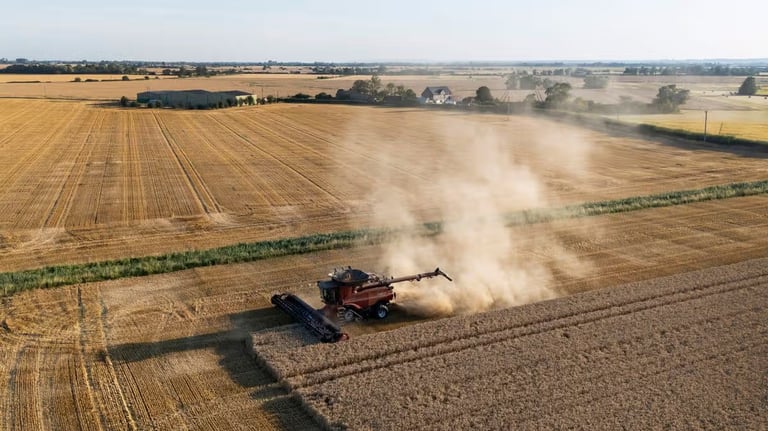

July becomes England’s driest on record as heat surges, hosepipe bans affect about 23 million people in England and Wales, and wildfires rise nationwide.
Britain faces potential food shortages due to drought and heatwaves that have stunted crop growth—especially wheat and oats—and reduced dairy production after a year of extreme weather.
Irrigation across parts of England is restricted amid a continuing drought following a winter of floods that disrupted planting and crops.
Farmers, led by NFU president Tom Bradshaw, warn this is the third drought in five years and urge government action, including tax breaks to fund on-land water storage.
Dairy producers report reduced milk yields due to heat stress, with cows eating less in hot weather; farmers are using cooling strategies like shade, misting, and extra water to protect welfare and output.
Early harvests are reported, but many crops are not worth harvesting due to poor yields, signaling broader profitability challenges and a need for government investment in resilient farming and water storage.
Bradshaw says drought and high temperatures have parched soil and depressed yields, calling for urgent policy measures to build resilience.
The government has declared drought across large swathes of England and issued heat-health alerts as temperatures surge toward the mid-30s Celsius.
Cereals such as wheat and barley are being harvested earlier than usual, yet yields remain below the 10-year average amid higher costs and Brexit-related subsidy changes.
Drought has driven extremely low rainfall across England and Wales, with July rainfall around 5.6mm in drought-hit England, intensifying water scarcity for farming.
Bradshaw calls for greater water infrastructure investment and a shift to prioritize domestic food production to strengthen national food security against climate shocks.
Summary based on 2 sources
Get a daily email with more World News stories
Sources
The Guardian • Aug 2, 2026
Britain could face food shortages as drought continues, farmers warn
Daily Mirror • Aug 3, 2026
UK 'facing food shortages' after four heatwaves in a single year as drought hits critical crops