UK Opens First Youth Ketamine Clinic Amid Rising Adolescent Uropathy Cases
September 22, 2026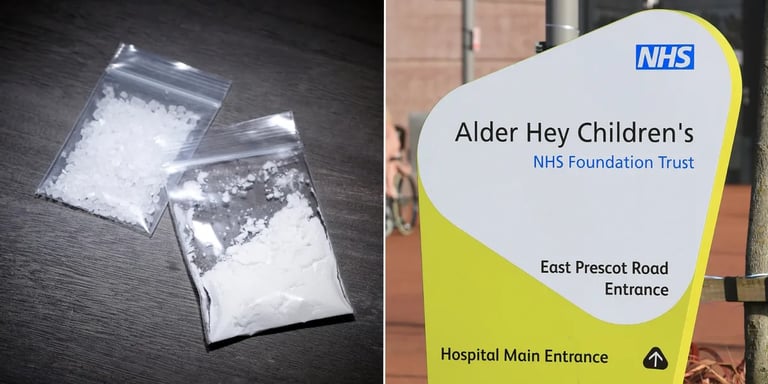


On average, youths used ketamine for one to two years before referral; many also used other substances, with roughly half using other drugs, about a quarter drinking alcohol, and nearly half vaping.
Guidance for parents emphasizes calm, non-confrontational conversations in comfortable settings; if ketamine use is suspected, start with a GP and seek medical or specialist support without pressuring disclosure.
Policy context keeps ketamine as a Class B drug, not reclassified to Class A, reflecting its medical uses alongside harms data.
Despite calls for Class A reclassification, the Advisory Council on the Misuse of Drugs maintains Class B status due to current harms and medical applications.
Early warning signs include mood changes, anxiety, concentration issues, secrecy, spending spikes, and social withdrawal; a cluster of signs warrants attention.
In cases of immediate medical danger, call emergency services, with FRANK as a recommended information resource for guidance.
Ketamine can trigger a dissociative 'K-hole' with hallucinations, sympathetic overdrive, headaches, blurred vision, and possible breathing or health risks at high doses.
Low cost and easy access to ketamine complicate cessation for youths, who face social pressure and ongoing availability at school.
Dependence and withdrawal can occur, featuring strong psychological cravings and a withdrawal profile that diverges from typical drugs.
Concerns about adulterated batches, including medetomidine-tainted samples sold as 'Rhino Ket,' raise risks of extreme sedation, fatalities, and crime exposure, signaling urgent public health threats.
A UK first: Alder Hey Children’s Hospital in Liverpool opened the country’s first youth-focused ketamine clinic, as adolescent ketamine-induced uropathy cases rise and patients arrive with severe bladder and urinary symptoms.
Demographics and backgrounds of patients show a majority are girls, many come from the most deprived areas, with notable rates of autism/ADHD, care-system experience, and childhood emotional trauma.
Summary based on 14 sources
Get a daily email with more World News stories
Sources

Daily Mirror • Sep 22, 2026
Children as young as 13 'with ketamine bladder', says new research
The Guardian • Sep 22, 2026
Children as young as 13 being referred to UK hospital suffering from ‘ketamine bladder’
Evening Standard • Sep 22, 2026
Children as young as 13 referred to specialist clinic for ‘ketamine bladder’
The Independent • Sep 22, 2026
Children as young as 13 receiving treatment for ‘ketamine bladder’, new study reveals